
What is reverse logistics?
The flow of goods back from the customer to the seller, warehouse or supplier. This page explains how e-commerce returns are processed in a warehouse. It also shows where automation helps and what to ask in the design.
- 1Returns receiving Telescopic Conveyors
- 2Identification DWS Systems
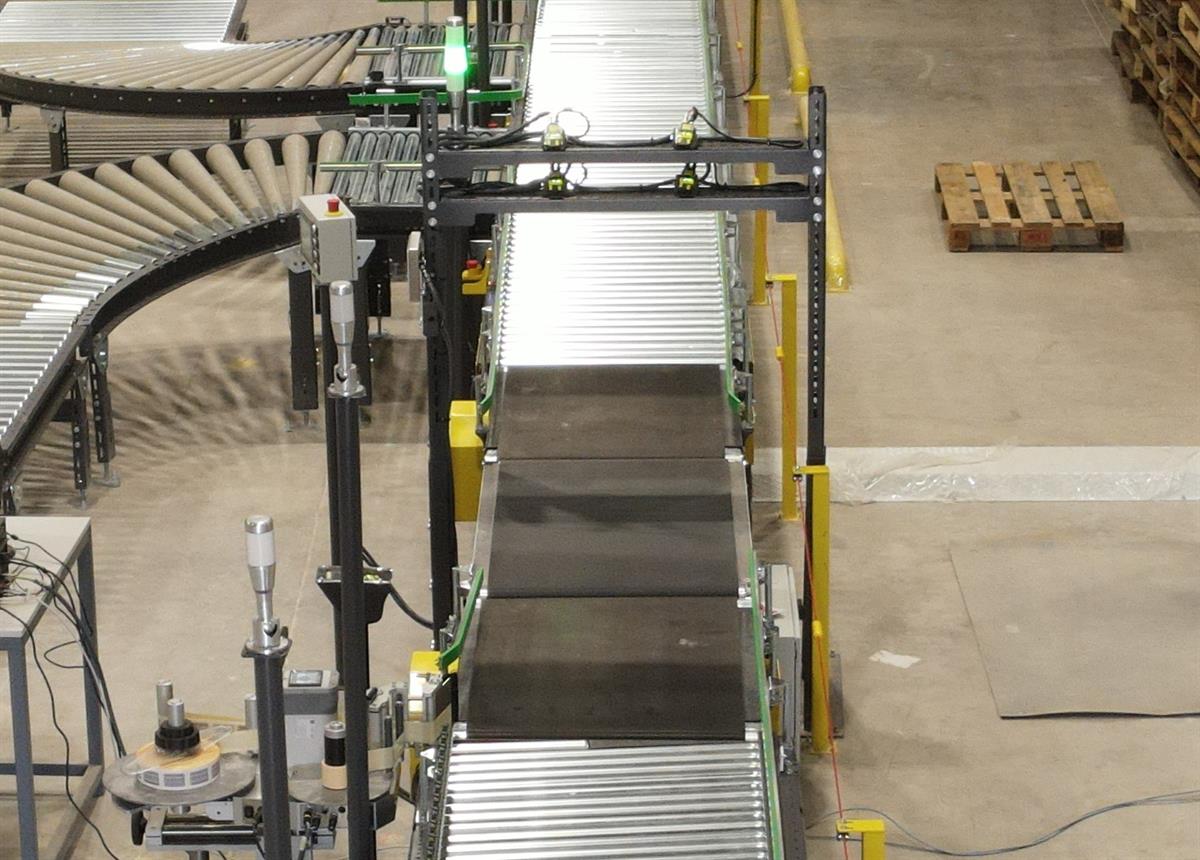
- 3Inspection and grading Conveyor Systems
- 4Disposition sortation Sortation Systems
- 5Repacking Conveyor Systems
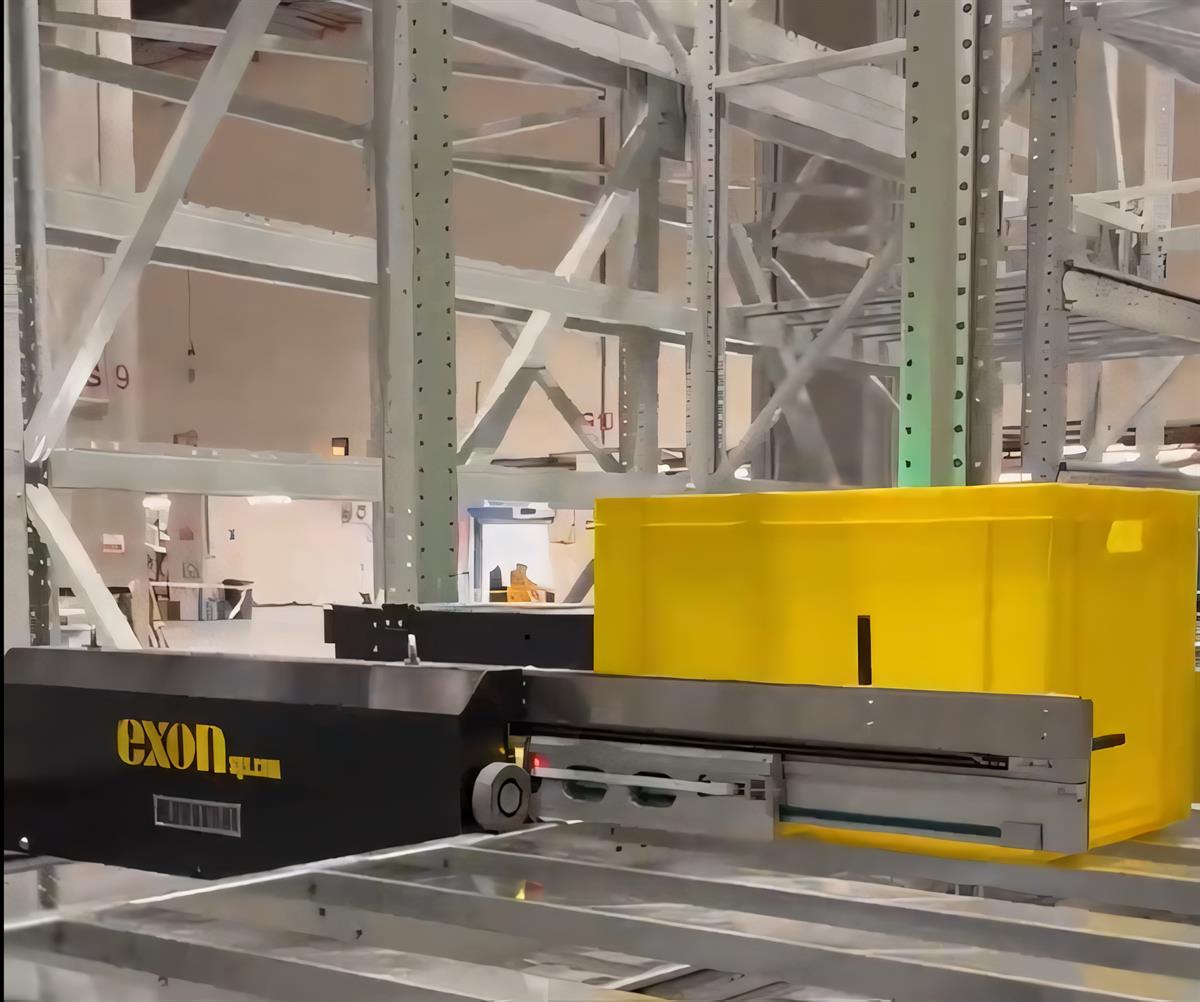
- 6Return to stock Pick-to-Light Shuttle Systems
Process flow. Yellow tags show the Exon system used in that step.
Definition
Reverse logistics is the management of goods flowing back from the end user. Goods go back to the seller, warehouse, supplier or recycling. In e-commerce, customer returns are the main source of this flow. A returned item is received, identified and inspected. It is then sorted by disposition: resale, refurbishment, return to supplier or disposal.
Other names: returns processing, returns management, returns logistics, reverse supply chain.
In the outbound flow, the parcel is sealed and its contents are known. In the returns flow, every parcel is different. The item may be missing, damaged or wrong. The packaging may have been opened. So a returns flow cannot be designed as the outbound flow run backwards. It needs its own area, stations and rules.
Returns flow in the warehouse: 6 steps
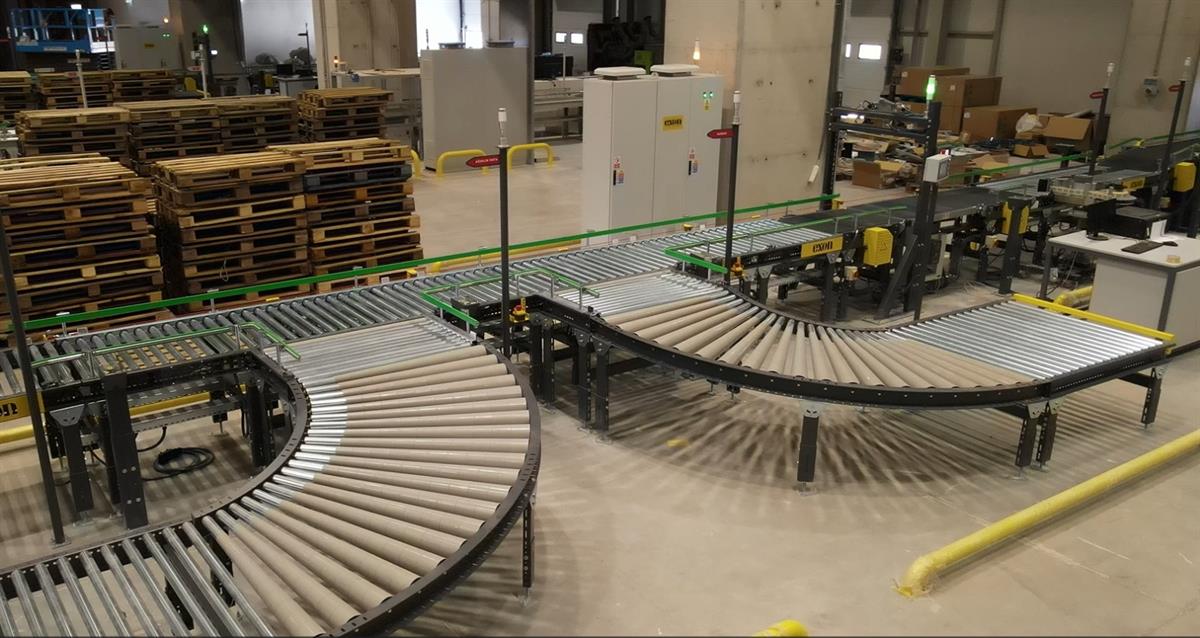
- Returns receiving: Return parcels are unloaded from carrier trucks and moved to the returns area. (Telescopic Conveyors)
- Identification: The return barcode or order number is scanned. The parcel is matched to the return record. Dimensions and weight can be compared with expected values. (DWS Systems)
- Inspection and grading: The parcel is opened, the item is checked and a quality grade is set. This step is mostly manual. Conveyors bring items to the station and take them away. (Conveyor Systems)
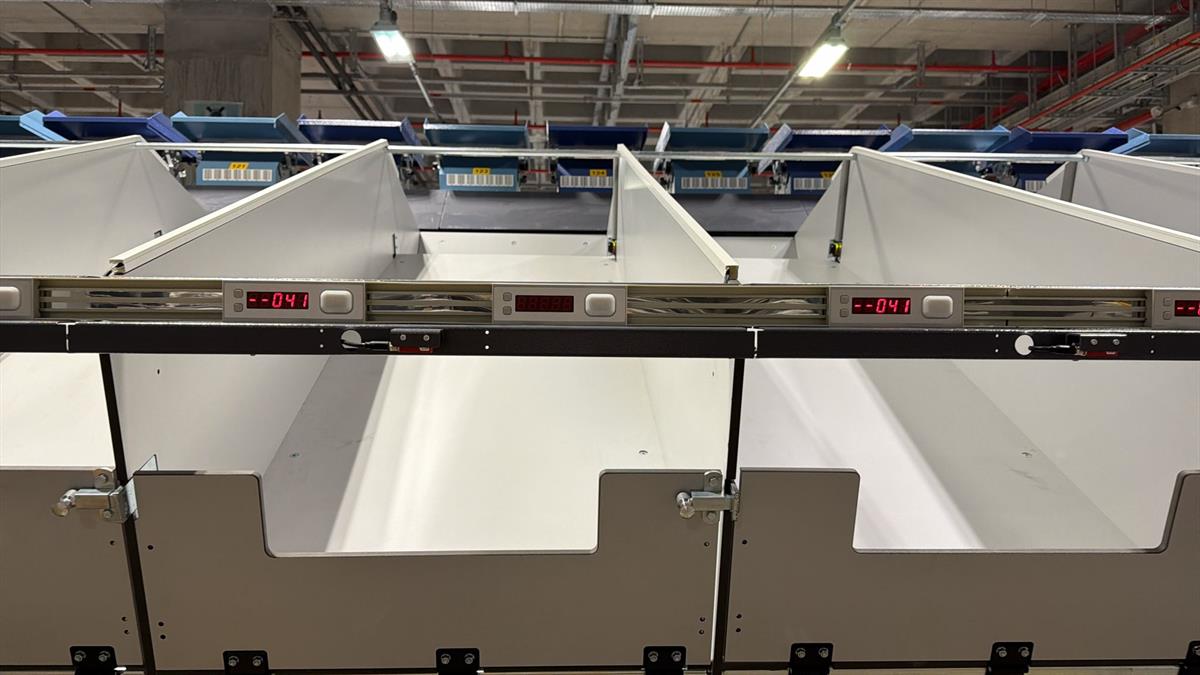
- Disposition sortation: The item goes to a chute based on the decision. Chutes cover resale, refurbishment, return to supplier, B-grade and disposal. (Sortation Systems)
- Repacking: Items for resale are folded and labeled. They are repackaged if needed. (Conveyor Systems)
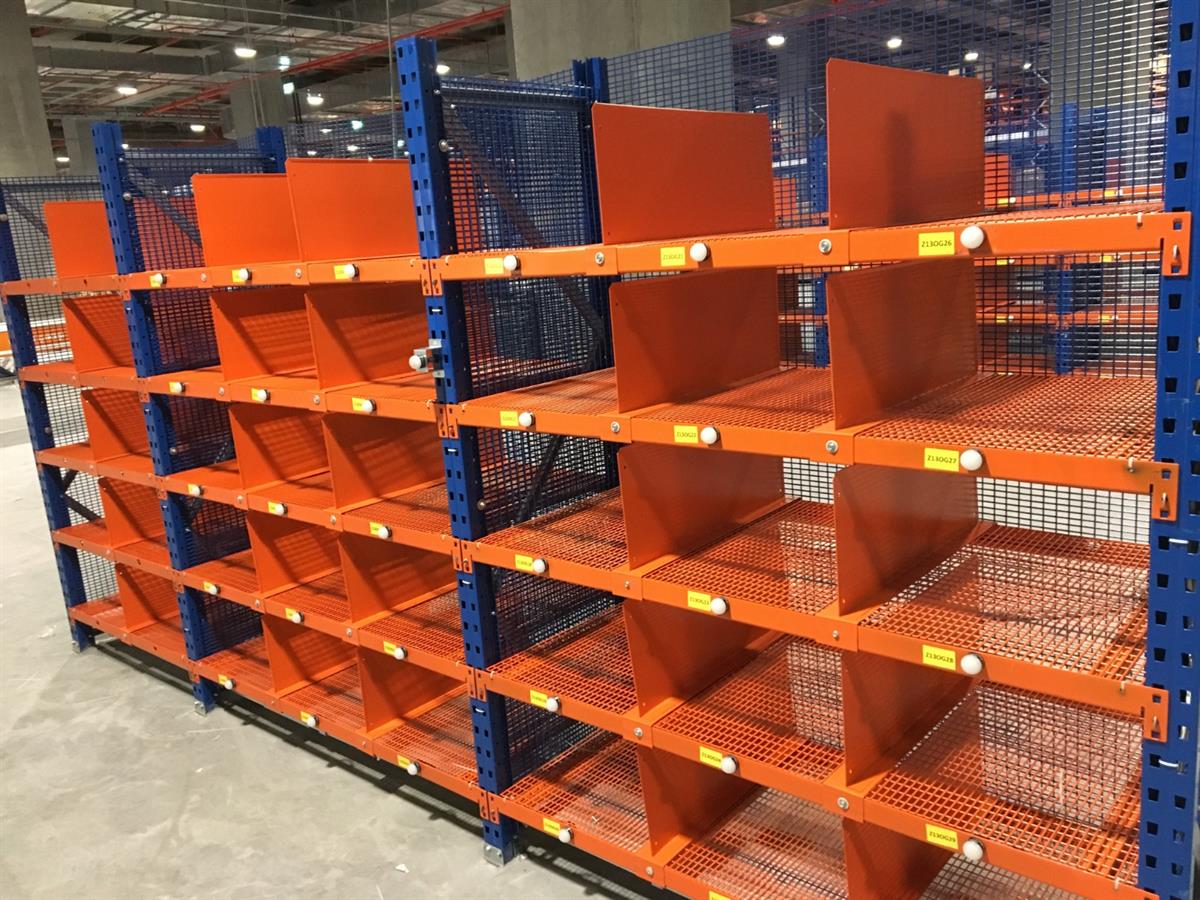
- Return to stock: The item goes back to a rack or an automated store. Sometimes it goes straight to a waiting order. (Pick-to-Light, Shuttle Systems)
Where does automation help in returns?
Returns facilities rarely run fully automated. Most items are handled by hand at least once during inspection. Automation's job is to cut the touches outside inspection:
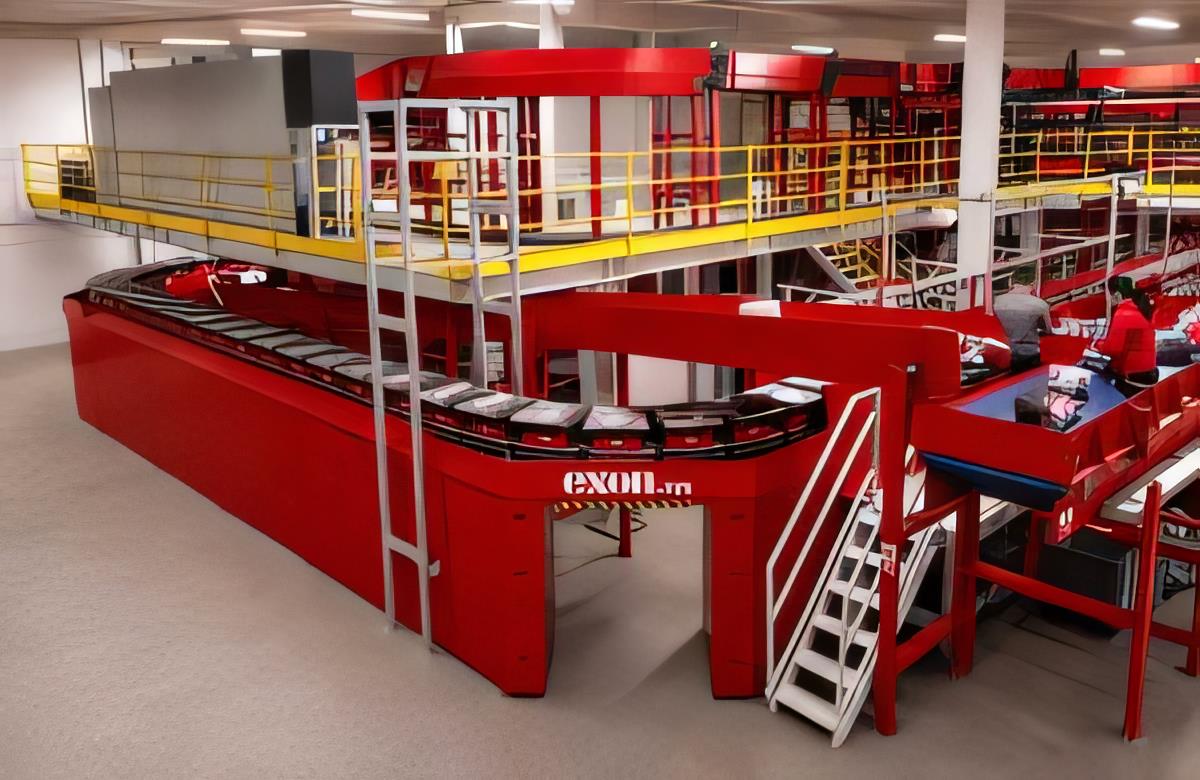
- Transport: When transport between stations is not manual, inspection staff focus only on inspection.
- Sortation: Once a decision is made, a sorter or put wall sends the item to the right chute. Manual sorting errors drop.
- Time back to stock: The faster a return is back in stock, the faster it sells again. For seasonal goods, this time decides lost sales.
- Data: Each return's reason, grade and decision are recorded. This allows returns analysis by supplier and product.
Related Exon systems
- Pick-to-LightPutting by disposition or order at put wallsView →
- Sortation SystemsDisposition sortation at high volumeView →
- Conveyor SystemsTransport between receiving, inspection and packing stationsView →
- DWS SystemsIdentifying and measuring the return parcelView →
- Shuttle SystemsCase and tote storage for items going back to stockView →
Checklist for designing a returns area
- Volume and timing: How many returns arrive per day? When do returns peak after sales events, and for how long?
- Product groups: Which product groups drive returns? Inspection time differs for apparel, footwear and electronics.
- Disposition options: How many chutes are needed? Are resale, refurbishment, supplier, B-grade and disposal kept separate?
- Number of stations: How many inspection stations do inspection time and peak volume require?
- Space: Is the returns area separate from the outbound flow? Where will returns wait in peak weeks?
- Software: How will return records, grades and disposition rules be shared with the warehouse management system (WMS)?
Common mistakes
- Squeezing returns into the outbound flow. If the same stations and lines serve both flows, both slow down at peak.
- Ignoring the returns peak. Returns volume rises with a delay after sales events. The capacity plan must cover this delayed peak too.
- Trying to automate inspection. Judging an item's condition is mostly a human decision. Focus investment on transport, sortation and return to stock.
- Not measuring time back to stock. Track the time from receiving a return to having it for sale again. Without it, lost sales stay invisible.
Frequently asked questions
What are the reverse logistics processes?
Returns receiving, identification, inspection and grading, disposition sortation, repacking and return to stock. Items that are not resold take another path. These are refurbishment, return to supplier, B-grade sale or recycling.
Are reverse logistics and returns management the same?
Returns management is the largest part of reverse logistics. Reverse logistics is broader. It also covers returnable packaging and pallets. Sending in-warranty products to service also belongs here. So does recovering end-of-life products.
Why do e-commerce returns need a separate flow?
An outbound parcel has known contents. In a return, the item may be missing, damaged or different. Every parcel is opened and inspected. So the returns flow has its own stations, area and disposition rules.
Sorter or put-to-light for returns sortation?
It depends on volume and chute count. At medium volume, put walls are flexible and quick to install. At high volume with many chutes, a sorter removes manual distribution. Many facilities use both.
Related terms
Last updated: