
What is a distribution center?
A facility where bulk goods are stored briefly and shipped out per store or dealer. This page explains the flow and how it differs from other facility types. It also covers the automation decision.
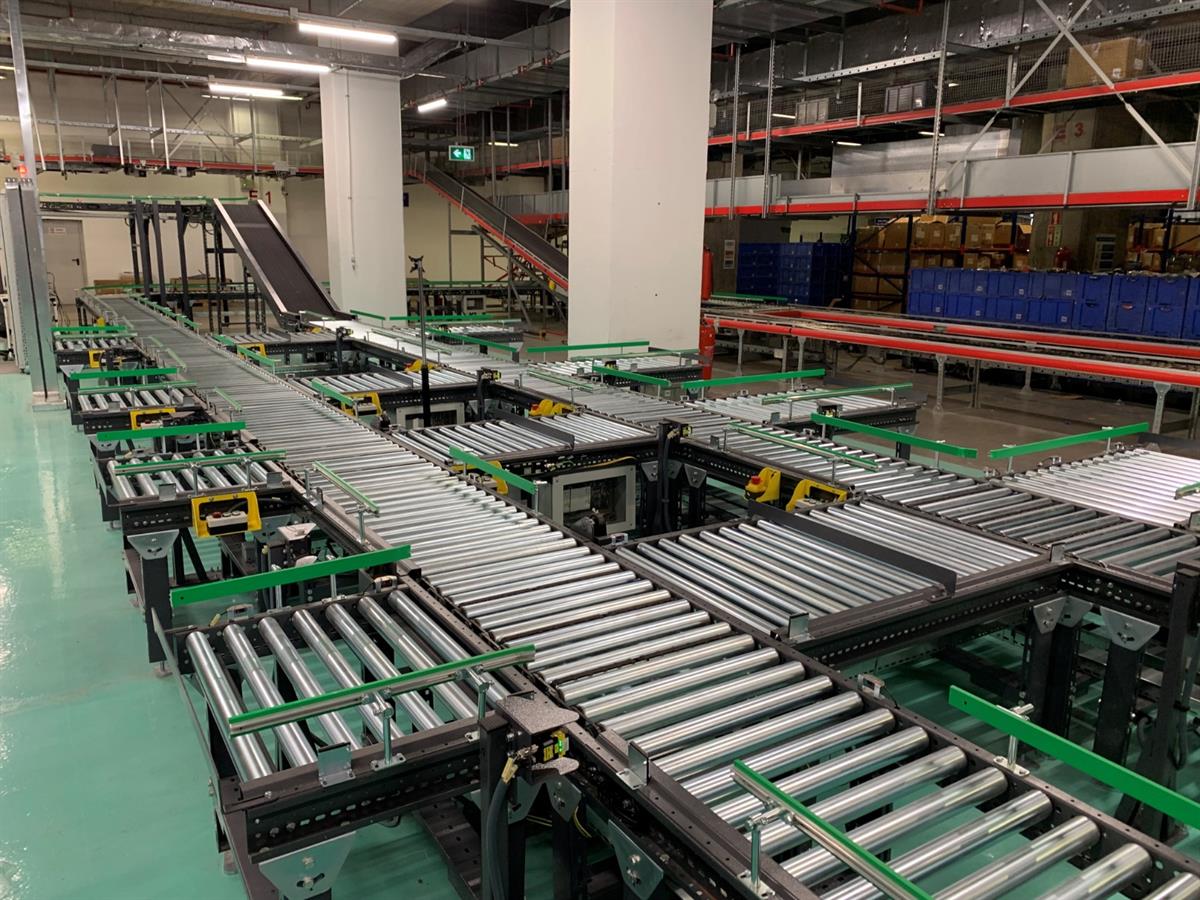
- 1Receiving Telescopic Conveyors
- 2Storage Shuttle Systems
- 3Picking Pick-to-Light
- 4Sortation by store Sortation Systems
- 5Carton closing and palletizing Conveyor Systems Robotic Automation
- 6Shipping Telescopic Conveyors
Process flow. Yellow tags show the Exon system used in that step.
Definition
A distribution center (DC) is a facility that receives goods in bulk from manufacturers or suppliers. Goods are stored there for a short time. They are then picked, sorted and shipped per store, dealer or regional order. Unlike a classic warehouse, a DC does not hold goods for long. The goal is regular, fast distribution. Regional DCs of retail chains are the most common example.
Other names: DC, retail distribution center, regional distribution center (RDC), logistics center.
Flow inside the facility: 6 steps
- Receiving: Supplier trucks are unloaded. Cartons are counted, scanned and matched to the advance shipping notice. (Telescopic Conveyors)
- Storage: Goods go into pallet racking. An automated system can store cases and totes. Fast movers can skip storage and go straight to sortation (cross-docking). (Shuttle Systems)
- Picking: Store orders are picked by carton or by piece. Pick-to-light raises picking and putting accuracy. (Pick-to-Light)
- Sortation by store: Orders for several stores are picked together. The sorter splits these items by store. Apparel and footwear are usually sorted as single items. Other categories are usually sorted as cartons. (Sortation Systems)
- Carton closing and palletizing: Store cartons are closed and labeled. They are palletized if needed. (Conveyor Systems, Robotic Automation)
- Shipping: Cartons are loaded onto trucks in route sequence. (Telescopic Conveyors)
Three facility types compared
| Distribution center | E-commerce warehouse | Parcel sortation center | |
|---|---|---|---|
| Inventory | Yes, short term | Yes | No |
| Recipient | Store, dealer | End consumer | Destination depot, linehaul |
| Flow unit | Pallet, carton, item | Single item, parcel | Parcel, polybag, bag |
| Sortation criterion | Store, route | Carrier, region | Destination depot, route |
| Peaks | Season launches, store shipping days | Sales events | Overnight sort window, holiday peak |
| Capacity driver | Accuracy per store and shipping schedule | Orders per hour and carrier cut-off time | Parcels per hour and truck departure time |
When is automation needed?
- Store count has grown: In manual sortation, each item is matched to one of dozens of stores. As stores grow, errors and walking distance grow too.
- Season launches fall behind: New-season goods must reach every store within a short time. Manual sortation then becomes the bottleneck.
- Stores report wrong items or short counts: Shipping accuracy directly affects store sales. Errors can cause lost sales.
- E-commerce has moved into the same building: Store and online orders can draw on the same inventory. The two flows must then be designed together.
Related Exon systems
- Conveyor SystemsTransport between receiving, picking and shipping areasView →
- Sortation SystemsItem and carton sortation by storeView →
- Pick-to-LightLight-directed picking and store-level puttingView →
- Shuttle SystemsAutomated storage for cases and totesView →
- Telescopic ConveyorsTruck unloading and loading of loose cartonsView →
- Robotic AutomationRobotic palletizingView →
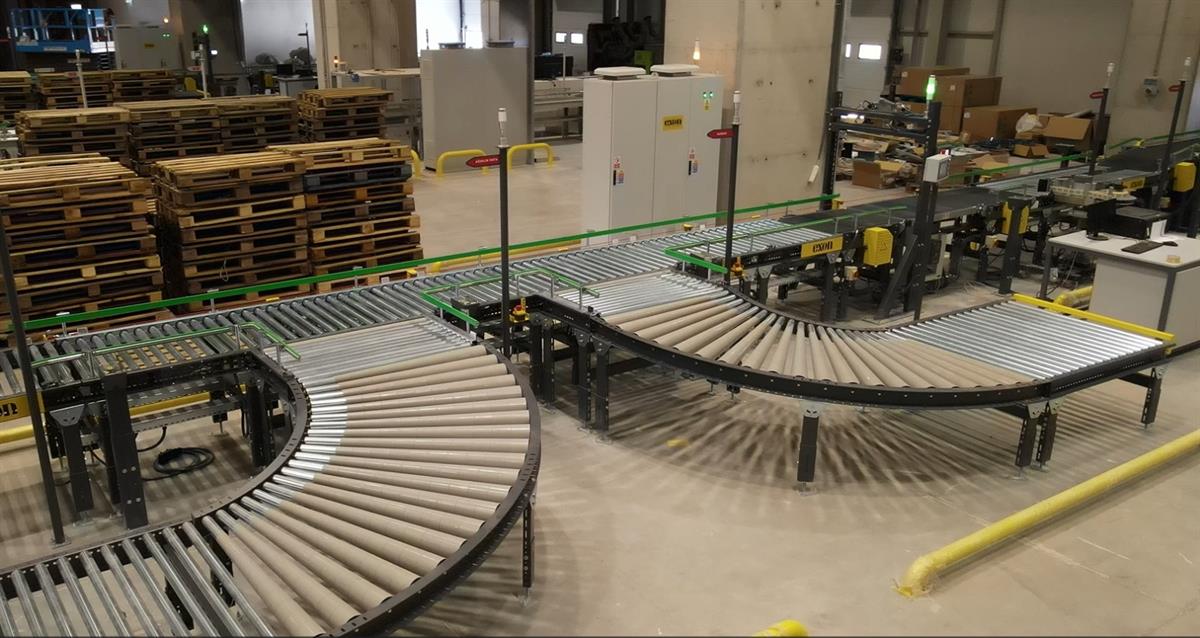
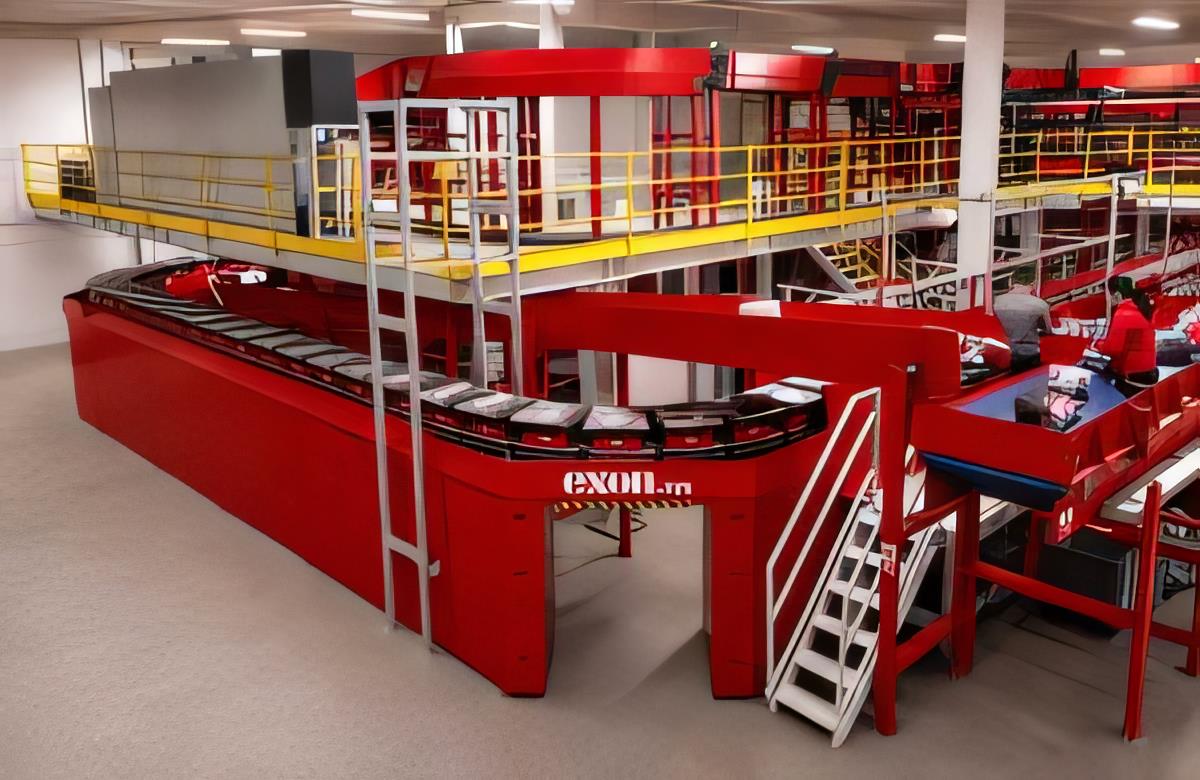
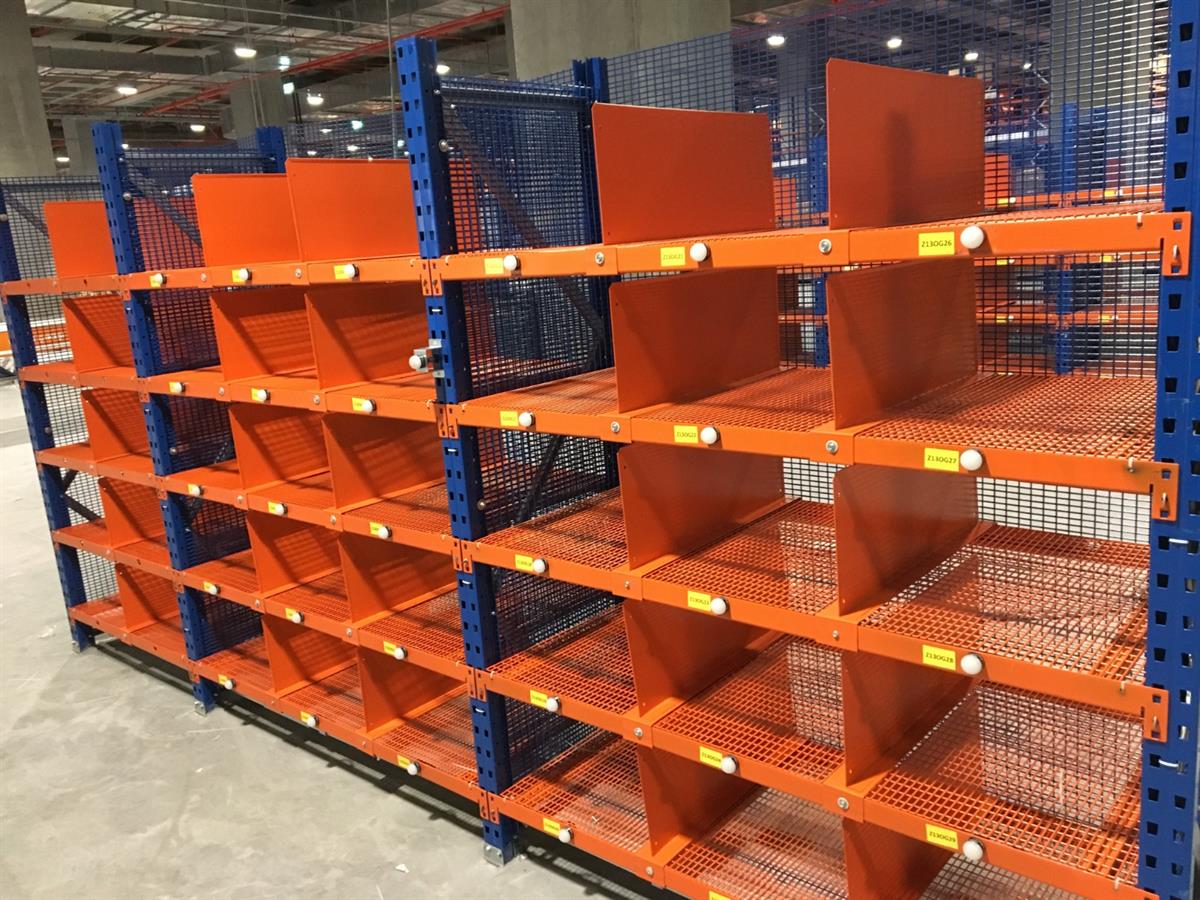
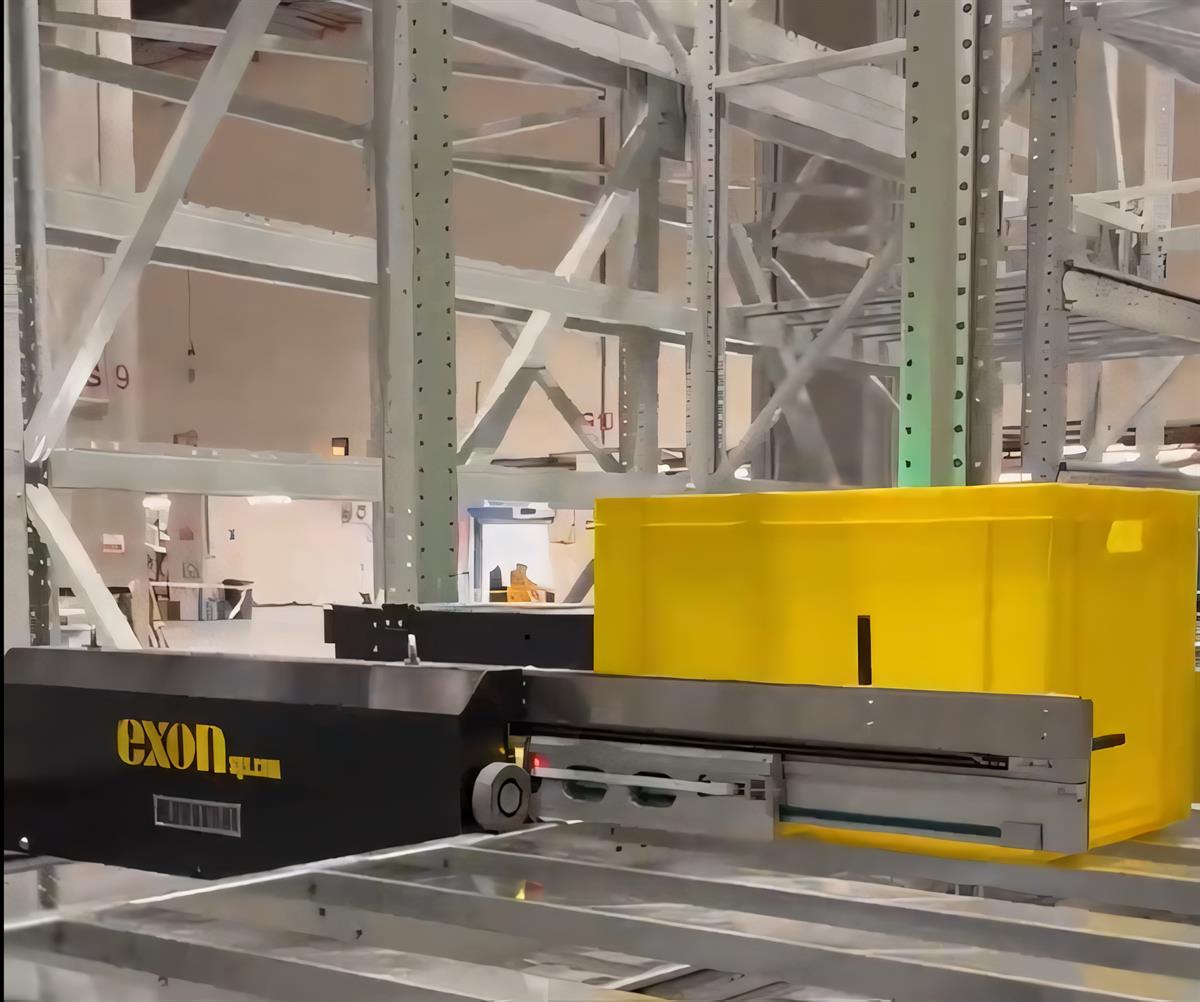
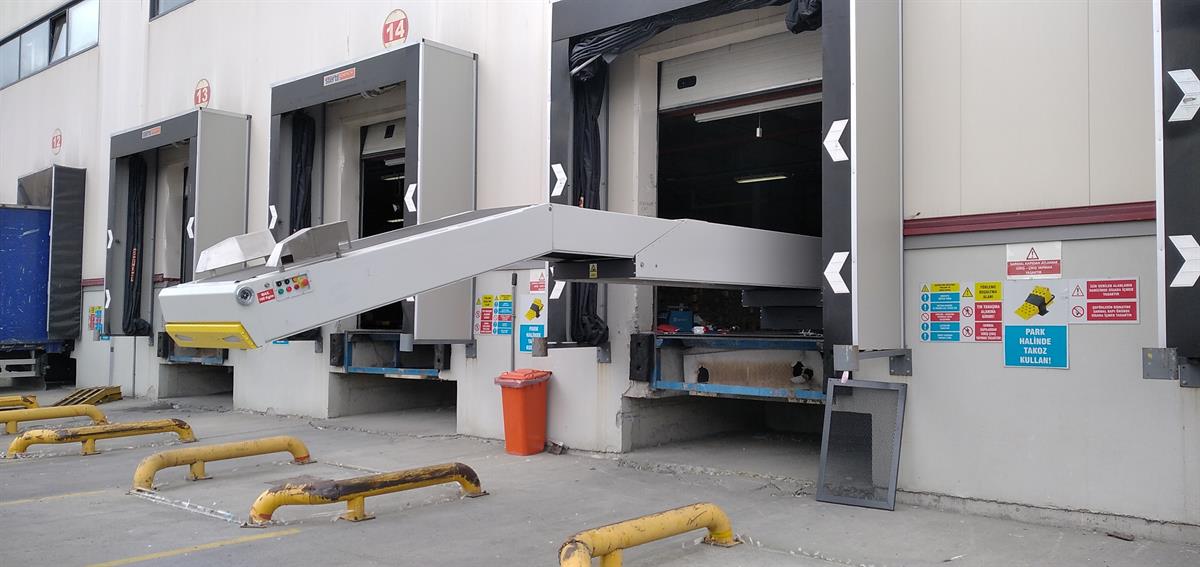
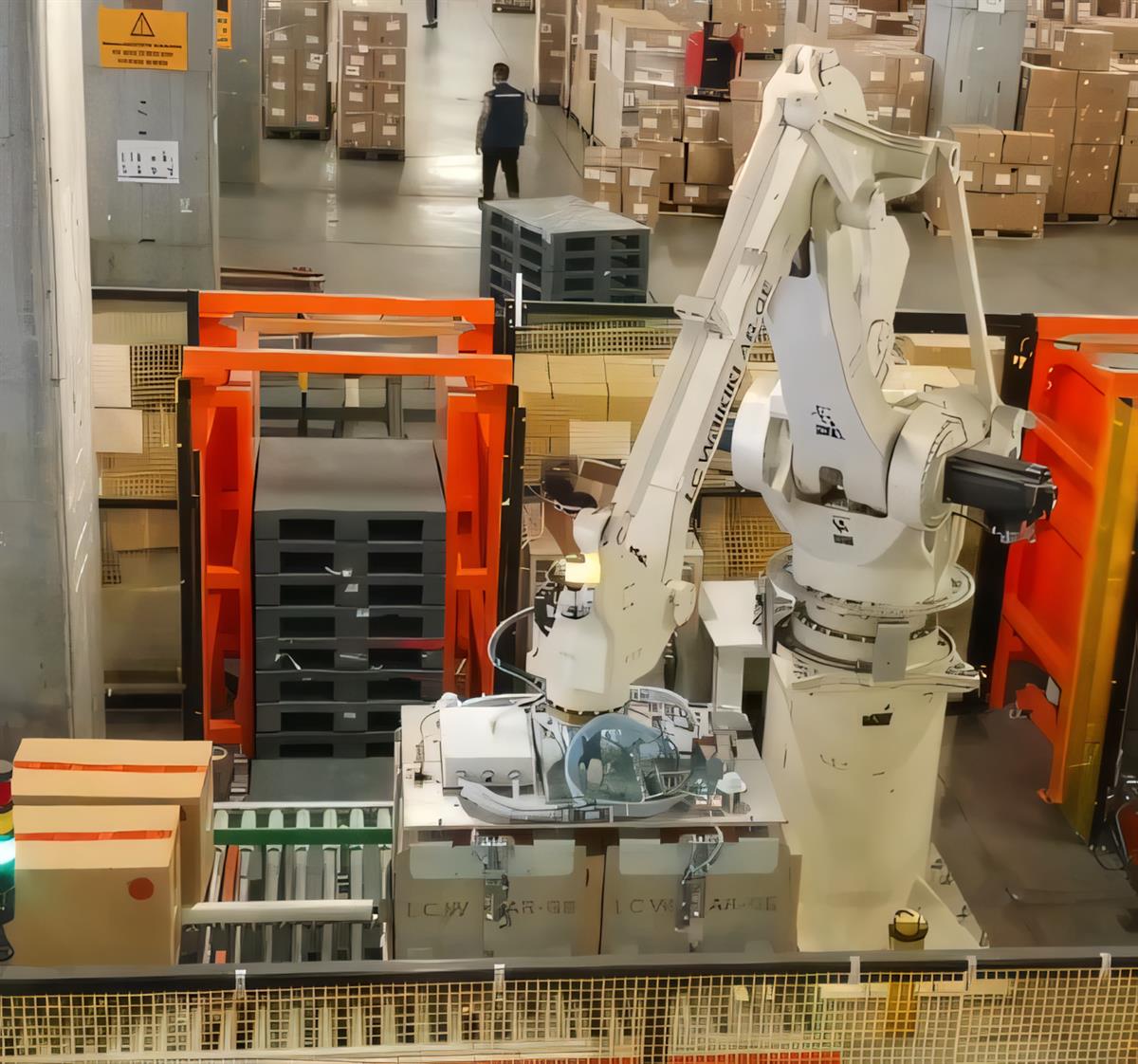
Exon's retail distribution references include LC Waikiki and ebebek. → References
6 selection criteria for DC automation
- Sortation unit: Single items or cartons? The sorter type follows from this.
- Stores and chutes: How many stores today, and how many will open? Count reject and manual chutes too.
- Item mix: What share is hanging, folded, boxed and irregular? Items the belt cannot carry need a separate flow.
- Shipping schedule: On which days are stores shipped? What is the route sequence?
- Sales channels: Will store and online orders run in the same building?
- Building and growth: Is a mezzanine possible, and how many docks are there? Is there room to add chutes later?
Common mistakes
- Designing for an average shipping day. Base the design on season launches and promotional shipments.
- Matching chute count to today's store count. New stores, rejects and manual handling need spare chutes. Without them, the line falls short at the first growth step.
- Keeping receiving too small. Supplier trucks can arrive at the same hours. Goods piling up at receiving slow the whole flow.
- Forcing online and store flows onto one line. The two flows have different order profiles. Equipment can be shared. Consolidation and packing areas should be planned separately.
Frequently asked questions
What is the difference between a distribution center and a warehouse?
A warehouse is designed to store goods. A distribution center is designed to move goods quickly to stores and dealers. Inventory time in a DC is short. Picking and sortation capacity matter most.
Is a distribution center the same as a parcel sortation center?
No. A parcel sortation center holds no inventory; parcels move from inbound to outbound trucks. A distribution center stores goods and picks them per store order. More detail: What is a parcel sortation center?
What does "at the distribution center" mean in parcel tracking?
It means the parcel has reached the depot or delivery point in its destination area. The parcel is waiting to go out with a courier. The retail distribution center on this page is a different facility type.
Which sorter is used in a distribution center?
It depends on the unit being sorted: single item, polybag or carton. The choice follows the item mix, store count and throughput requirement.
Related terms
Last updated: