
What is an e-commerce warehouse?
A warehouse where online orders are picked, packed, measured and sorted by carrier. This page explains the order flow, how it differs from a retail warehouse and when to automate.
- 1Receiving and putaway Telescopic Conveyors Conveyor Systems
- 2Storage Shuttle Systems AS/RS Systems
- 3Order picking Pick-to-Light
- 4Order consolidation Pick-to-Light Sortation Systems
- 5Packing and DWS DWS Systems
- 6Carrier sortation and loading Sortation Systems Telescopic Conveyors
Process flow. Yellow tags show the Exon system used in that step.
Definition
An e-commerce warehouse (fulfillment center) is a warehouse that processes online store orders. Orders are picked one by one from inventory and packed. Each parcel's dimensions and weight are measured. The parcel is then sorted by carrier or route. The order profile sets it apart from a retail warehouse. There are many orders with few lines each. Orders are usually expected to ship the same day.
Other names: fulfillment center, e-commerce fulfillment center, order fulfillment center, e-fulfillment warehouse.
Flow inside the warehouse: 6 steps
- Receiving and putaway: Supplier cartons are unloaded and counted. They are then moved to storage. (Telescopic Conveyors, Conveyor Systems)
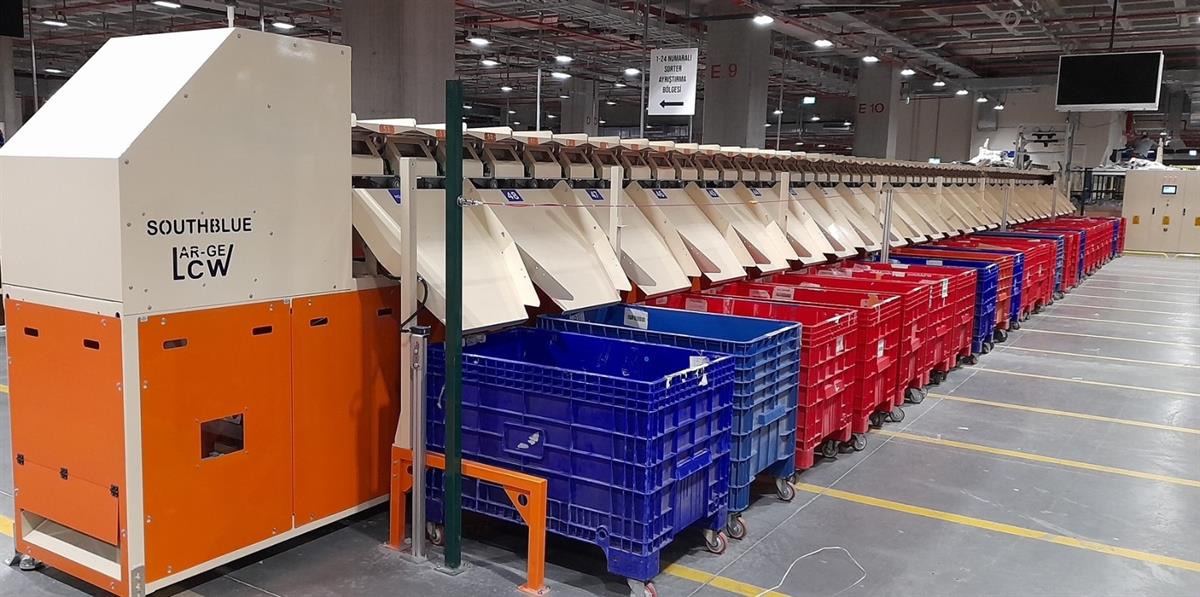
- Storage: Goods go into racking, into totes in a shuttle system or into an AS/RS. Many SKUs fit in a small footprint. (Shuttle Systems, AS/RS Systems)
- Order picking: The order lines are picked. In manual picking, pick-to-light shows the operator the location and quantity. In an automated store, the tote comes to the operator's station. (Pick-to-Light)
- Order consolidation: Items batch-picked for several orders are split into orders. This happens at a put wall or on a small-item sorter. (Pick-to-Light, Sortation Systems)
- Packing and DWS: The order is packed. Dimensions, weight and barcode are captured without stopping the flow. The data goes onto the shipping label. (DWS Systems)
- Sortation and loading: Parcels are sorted by carrier, region or route. They are then loaded onto trucks. (Sortation Systems, Telescopic Conveyors)
How it differs from a retail warehouse
| E-commerce warehouse | Retail (store) warehouse | |
|---|---|---|
| Recipient | Individual consumers | Stores |
| Order profile | Many orders, few lines, single units | Few orders, many lines, cartons or pallets |
| Picking unit | Single item | Carton, tote, pallet |
| Output | Shipping parcel | Store shipment |
| Time pressure | Same-day carrier handover | Store shipping schedule |
| Returns | High; needs a separate flow | Relatively low, in bulk |
Many retail chains run both flows in the same building. Store and online orders draw on the same inventory. Sortation and packing areas are kept separate.
When is automation needed?
- Pickers spend their time walking: In single-line orders, walking takes most of the picking time. Goods-to-person systems cut this time. Batch picking with later consolidation has the same effect.
- Orders multiply on sales days: Volume jumps within days around major sales events. Keeping accuracy with temporary staff gets harder.
- Carrier cut-off times are missed: Orders may not make the carrier's truck. The bottleneck can be in consolidation, packing or sortation.
- Dimensional weight differences are billed: Parcel dimensions are entered by hand. They differ from the carrier's own measurement.
Related Exon systems
- Shuttle SystemsHigh-density storage for cases and totesView →
- AS/RS SystemsAutomated storage and retrievalView →
- Pick-to-LightPick-to-light and put-to-light applicationsView →
- Conveyor SystemsTransport between picking, packing and shipping areasView →
- DWS SystemsDimensions, weight and barcodeView →
- Sortation SystemsOrder consolidation and carrier sortationView →
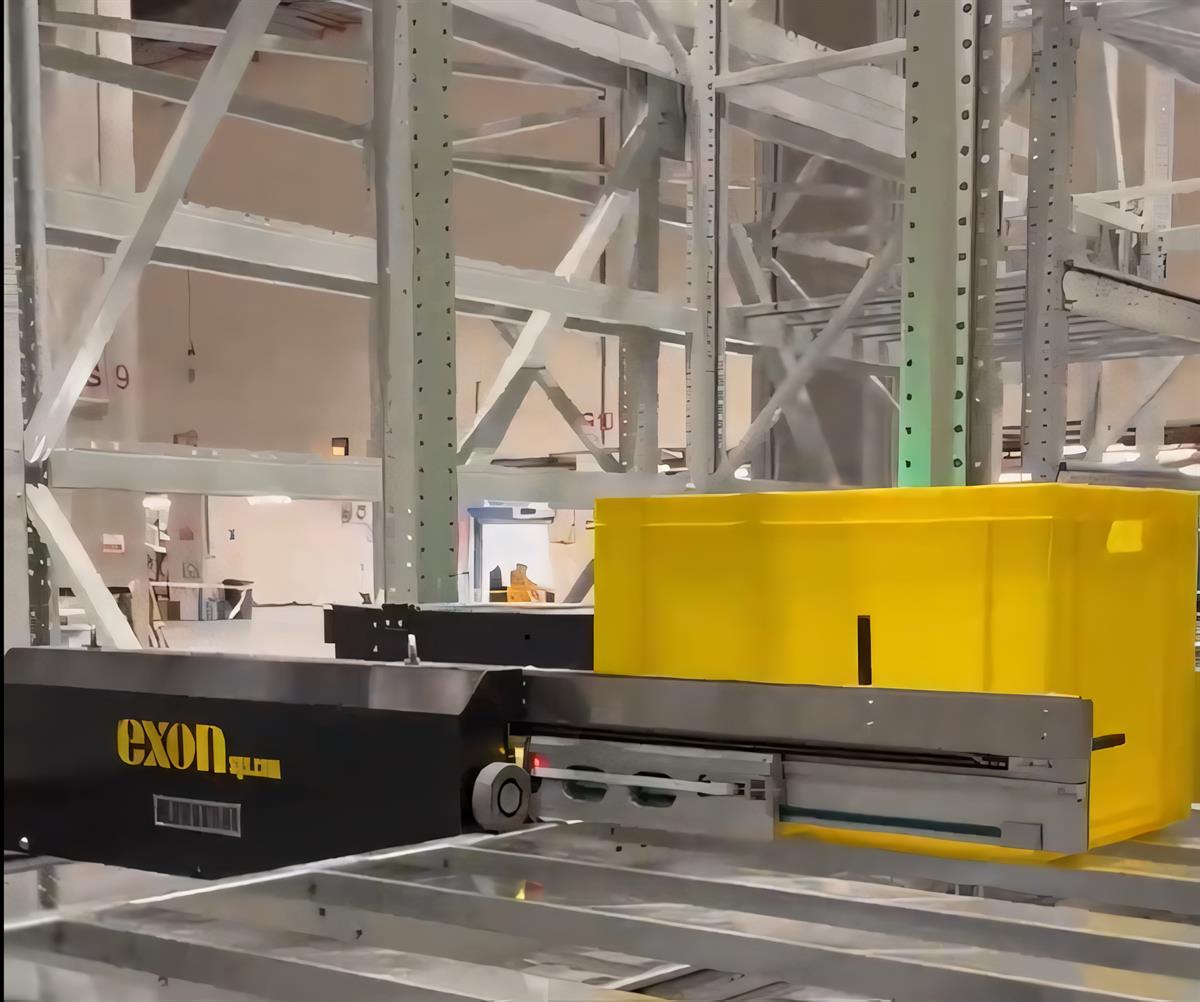
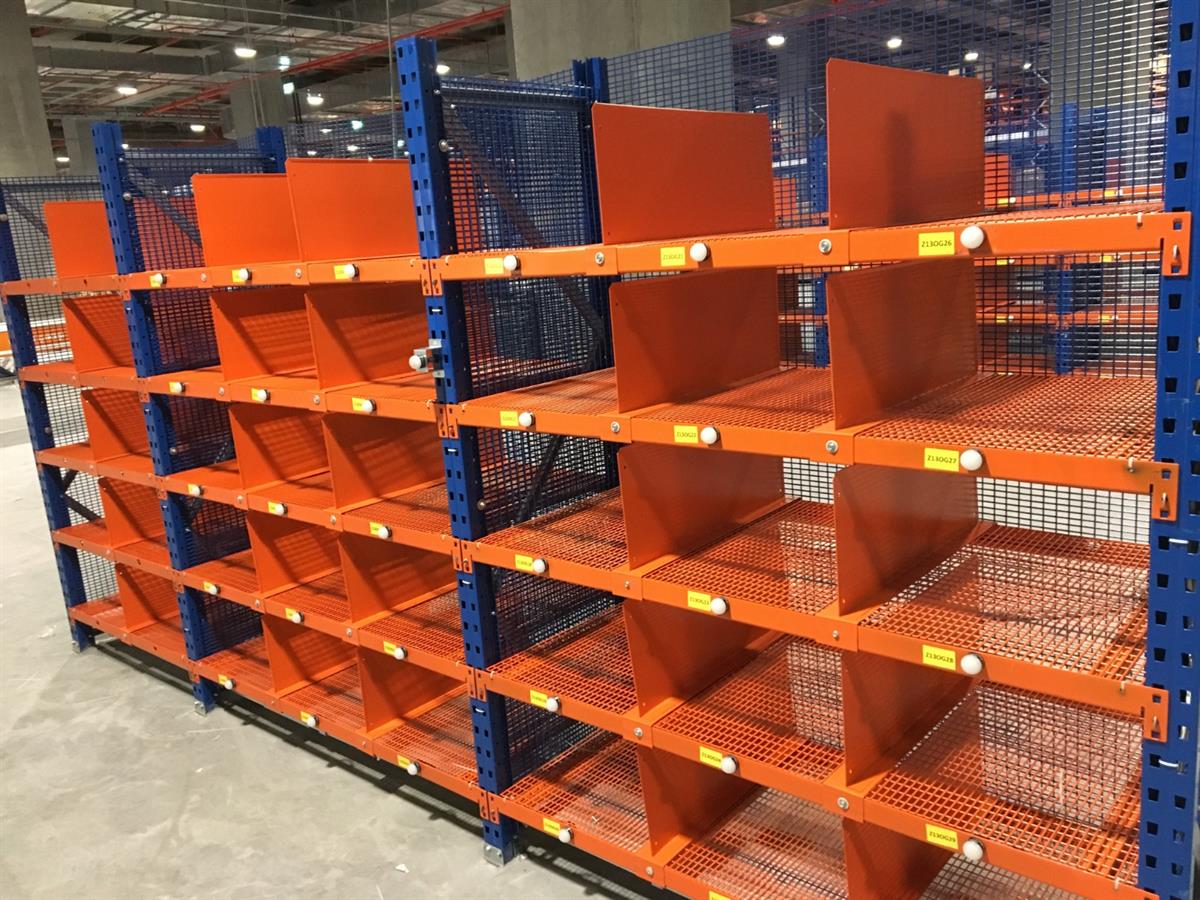
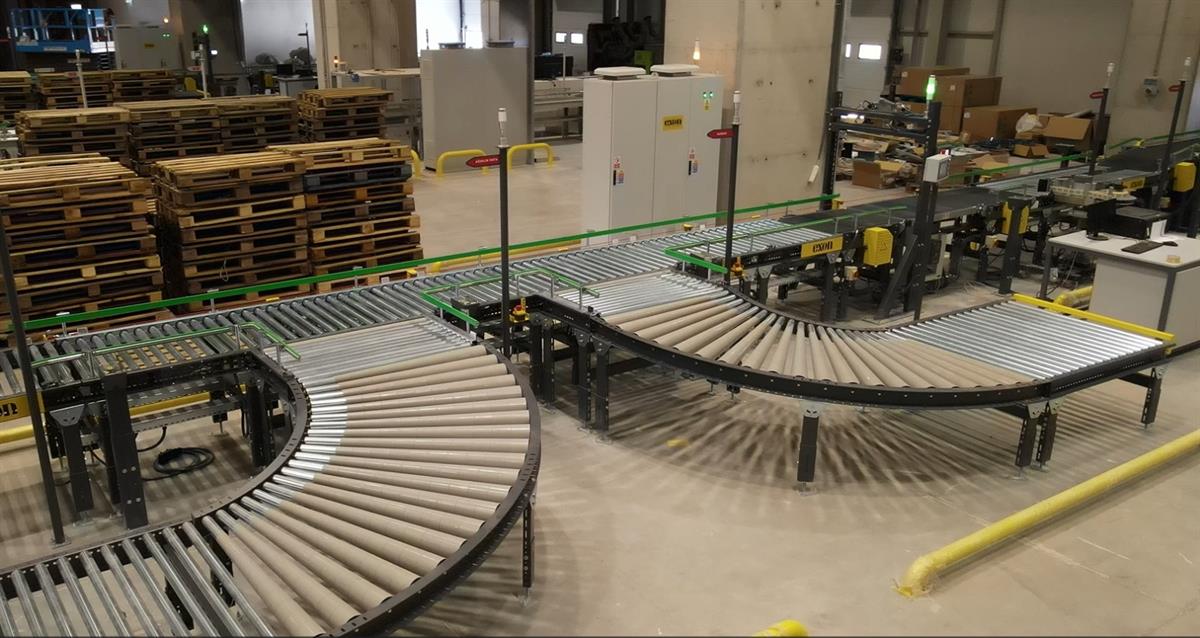
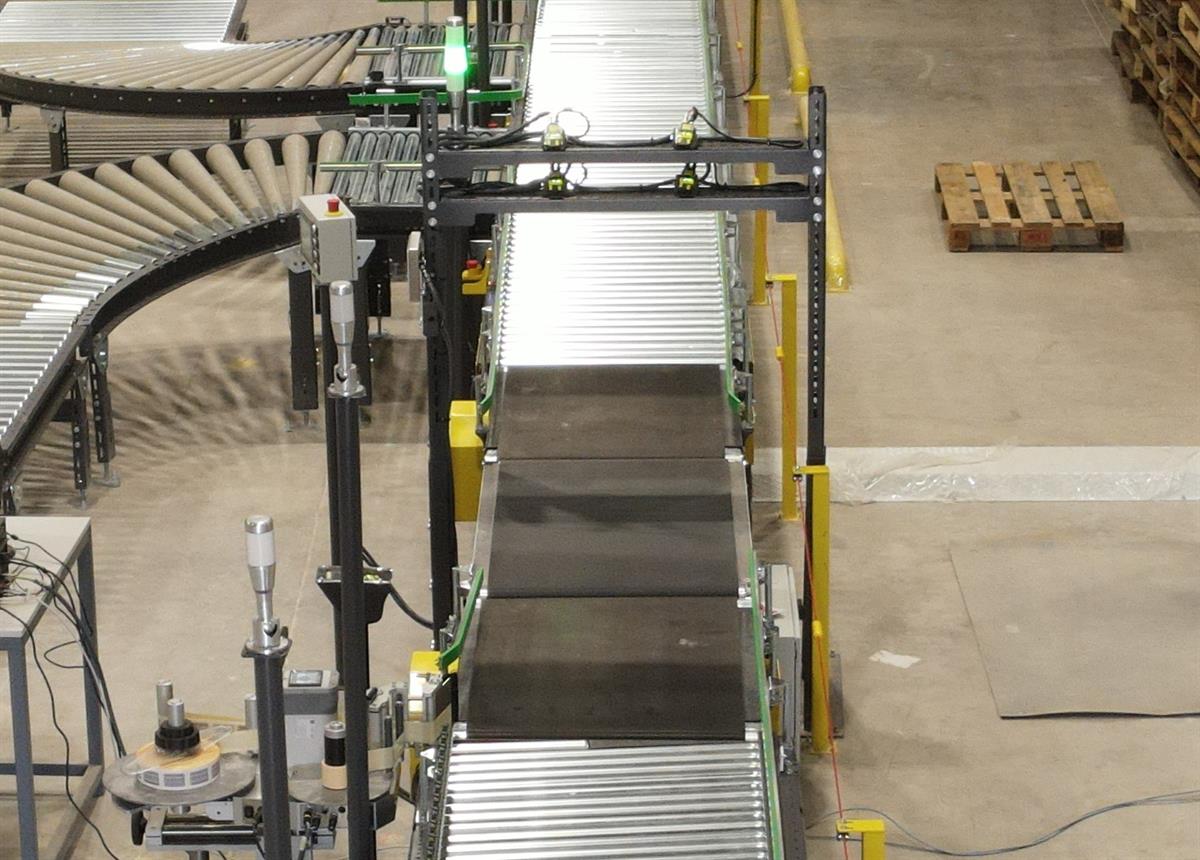
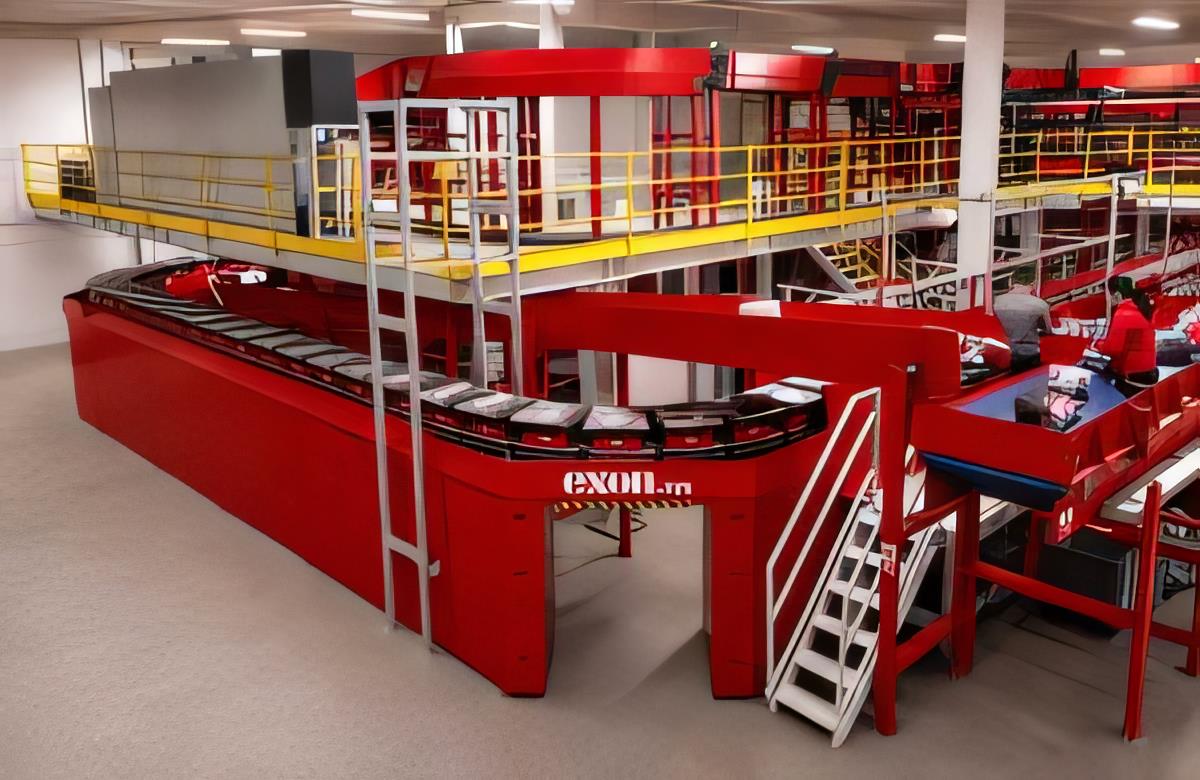
Exon's e-commerce and retail references include LC Waikiki, ebebek and Arvato. → References
Data to collect before an automation project
- Order profile: Daily orders, lines and units per order, share of single-line orders.
- Item data: Number of SKUs, size and weight range, fragile or hanging goods.
- Velocity profile: How many orders depend on a small number of fast movers?
- Peak period: Orders per hour on sales days and the length of the peak.
- Carrier plan: Number of carriers, cut-off times, number of trucks.
- Returns volume: Daily returns and the time until returns are back in stock.
Common mistakes
- Designing for an average day. An e-commerce warehouse is tested on its busiest day. Size the design for peak volume and growth.
- Automating picking but forgetting consolidation. Picking speeds up, but orders pile up at consolidation and packing. Size the whole flow together.
- Leaving returns for later. Returns need their own area and process. Squeezed into the outbound flow, both flows slow down.
- Designing storage only for today's SKU count. The SKU range can grow over time. Leave room for growth in storage and picking.
Frequently asked questions
What is the difference between an e-commerce warehouse and a distribution center?
A distribution center usually ships cartons or pallets to stores and dealers. An e-commerce warehouse sends individual parcels to consumers. There are many orders with few units each.
Which automation systems are used in an e-commerce warehouse?
Conveyor lines and automated storage (shuttle, AS/RS) are used. Pick-to-light and put walls, DWS systems and sorters are also common. Which ones you need depends on the order profile and item mix.
Should an e-commerce business run its own warehouse or use a 3PL?
This is a business model decision. With its own warehouse, the business controls the process and the investment. A third-party logistics (3PL) provider runs the warehouse and equipment for several clients. The decision depends on volume, order profile and capital. It is reviewed as volume grows.
Can an existing warehouse be adapted for e-commerce?
Often, yes. Single-item picking, packing and carrier sortation areas can be added to the existing building. Clear height, floor and dock layout decide what is possible.
Related terms
Last updated: