
What is order picking?
The process of taking order items from their warehouse locations and preparing them for shipping. This page explains picking methods, their trade-offs and the automation decision.
-
1Order pool
Orders collect in the WMS. They are prioritized by cut-off time and carrier.
WMS WCS -
2Batch creation
Orders are grouped into batches to be picked together.
WMS WCS -
3Picking
The operator picks items guided by lights or a screen, or the item comes to the station.
Pick-to-Light Shuttle Systems -
4Transport
Full totes leave the zone by conveyor.
Conveyor Systems -
5Sortation and consolidation
Batch-picked items are split into orders.
Sortation Systems Pick-to-Light -
6Check and packing
The order is verified by scanning, packed and sent to shipping.
DWS Systems
Process flow. Yellow tags show the Exon system used in that step.
Definition
Order picking means taking the right quantity of each order item from its warehouse location. Items are brought together for packing and shipping. It is usually the largest share of warehouse labor. In manual picking, walking to the item takes the biggest share of time. A common estimate is about half of picking time. The picking method is chosen to fit the order profile and warehouse layout.
Other names: picking, piece picking; method names include single order, batch, wave and zone picking.
Flow: 6 steps
- Order pool: Orders collect in the warehouse management system (WMS). They are sequenced by carrier cut-off time, carrier and priority.
- Batch creation: Orders to be picked together are grouped. This choice is the method itself (see the table below).
- Picking: The operator picks items guided by light indicators, a handheld or a screen. In goods-to-person systems, the item comes to the operator. (Pick-to-Light, Shuttle Systems)
- Transport: Full totes leave the picking zone by conveyor. Cart traffic between zones disappears. (Conveyor Systems)
- Sortation and consolidation: Batch-picked items are split into orders. At low and medium volume a put wall fits best; at high volume, a sorter. (Sortation Systems, Pick-to-Light)
- Check and packing: The order is verified by scanning and packed. Dimensions and weight are measured to create carrier data. (DWS Systems)
Picking methods compared
| Method | How it works | Strength | Trade-off | Best fit |
|---|---|---|---|---|
| Single order picking | The operator picks one order from start to finish | Simple; no later sortation | Longest walking distance | Few orders, large multi-line orders |
| Batch picking | Items for several orders are picked in one pass | Fewer repeat trips to the same shelf | Items arrive mixed; a sortation step is needed | Many small e-commerce orders |
| Zone picking | The warehouse is split into zones; each operator picks in one zone | Operators learn their zone, walking gets shorter | Orders must move between zones or be consolidated at the end | Large warehouse, many SKUs |
| Wave picking | Orders are split into time waves; each wave is released together | Matches carrier cut-off times; workload can be planned | Gaps and waiting at wave end; needs good planning | Facilities with fixed carrier departure times |
Methods are usually combined. Here is an example e-commerce setup. Orders are split into waves. In each wave, items are zone-picked and batch-picked for several orders. A sorter or put wall then splits the items into orders. Waveless, continuous release is another option. The software releases work as it arrives, but it must also track cut-off times.
When is automation needed?
- Walking time exceeds picking time: As the warehouse grows, the operator walks farther between items. First fix the layout and method. If that is not enough, bring the item to the operator (goods-to-person).
- Errors stay high with paper lists: With pick-to-light, the operator reads no list. They pick the displayed quantity from the lit location and confirm with a button. Errors are caught at the confirmation step.
- Batch picking jams at sortation: After moving to batch picking, the bottleneck shifts to the sortation table. A put wall or a sorter speeds up this step.
- Peak season runs on temporary staff: Light- and screen-directed picking is quick to learn. Staff who don't know the warehouse still pick from the right location.
Which systems are used?
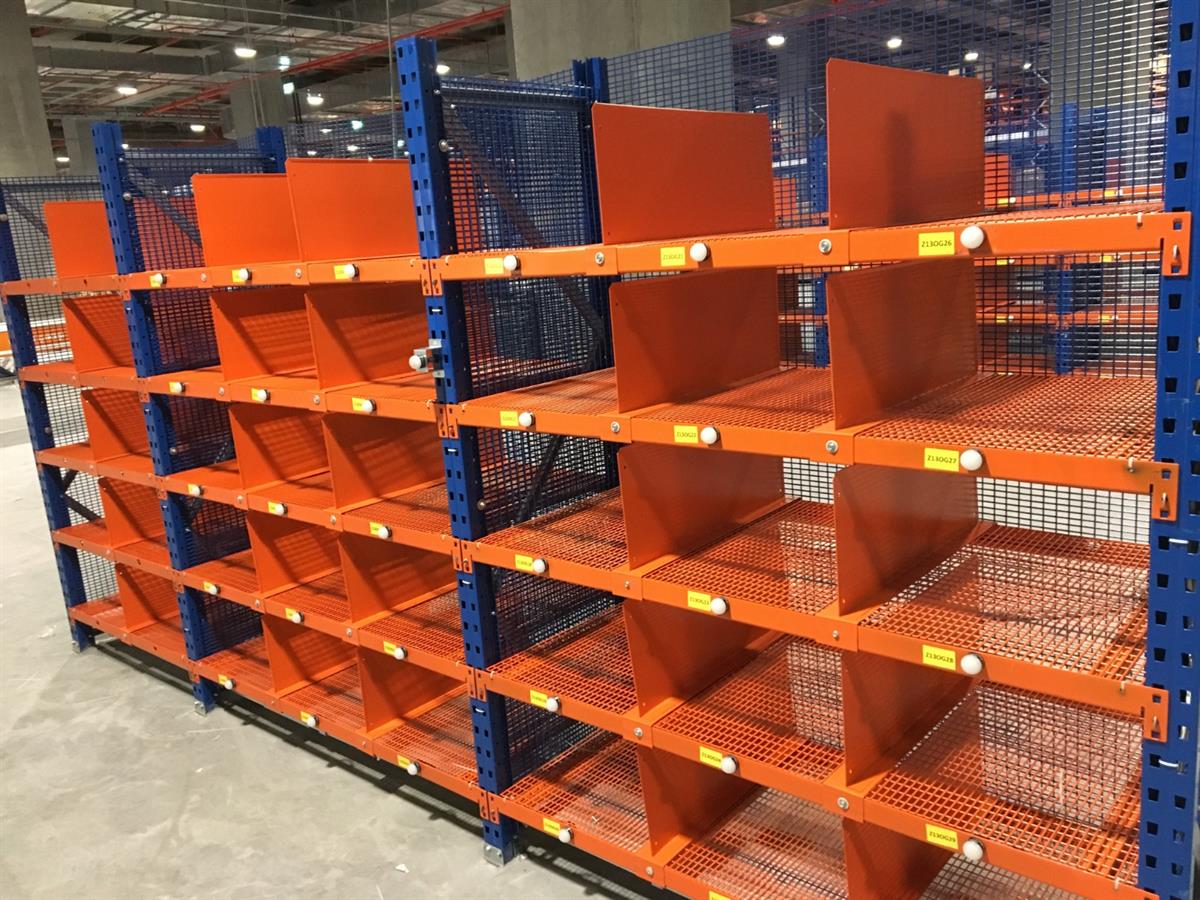
- Pick-to-LightPicking with pick-to-light, splitting into orders with put-to-lightView →
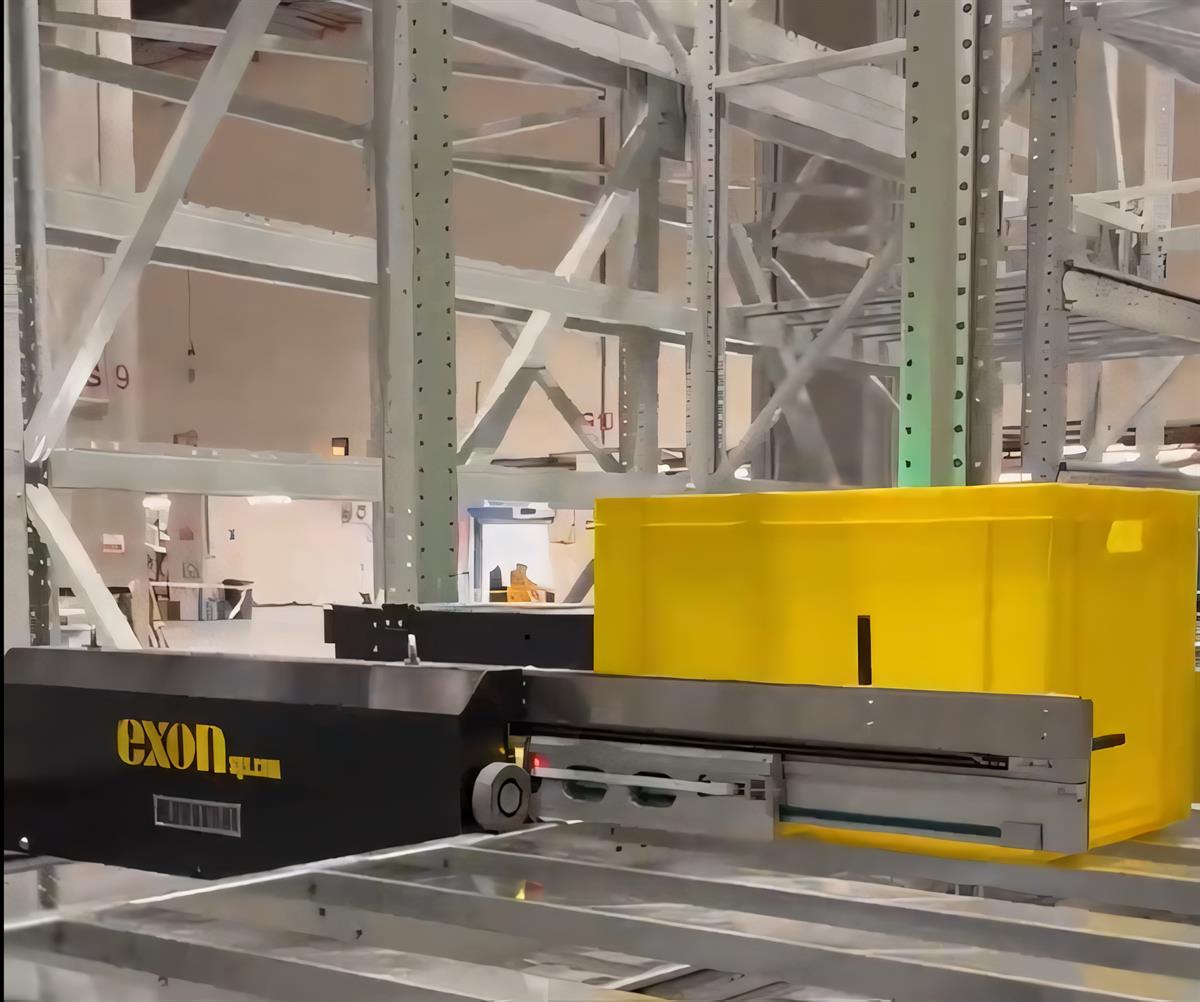
- Shuttle SystemsGoods-to-person picking with totes delivered to the stationView →
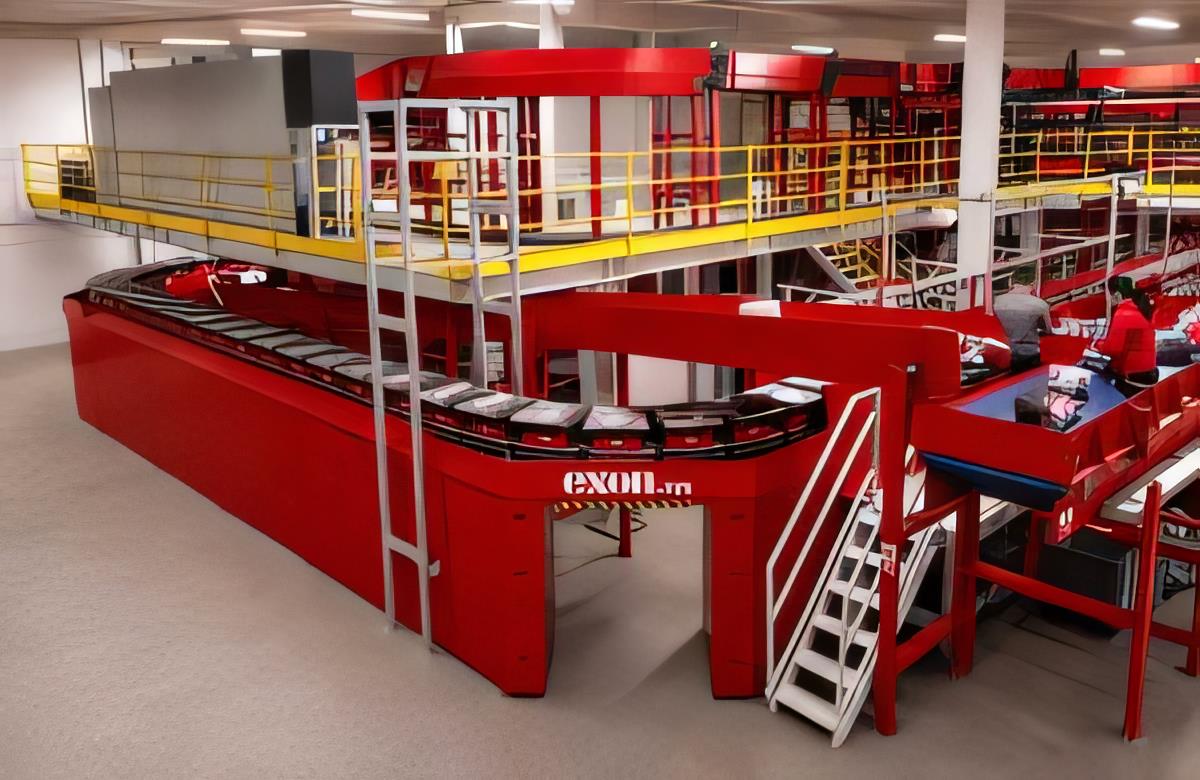
- Sortation SystemsSplitting batch-picked items into orders at high volumeView →
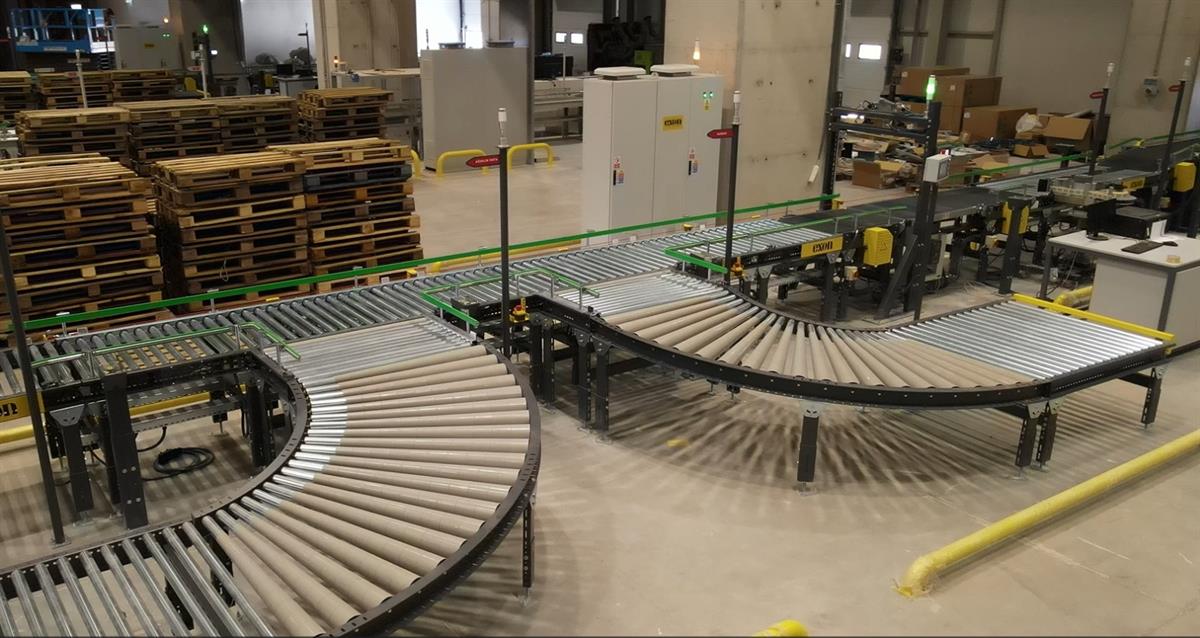
- Conveyor SystemsTote flow between zones, stations and packingView →
Exon's pick-to-light references include LC Waikiki, Saldos and Türk Traktör. → References
Data to review before choosing a method
- Lines and units per order: A high share of single-line orders favors batch picking. It also favors sending orders straight to packing.
- Item velocity (ABC): A small number of SKUs makes up most orders. Fast movers should sit near packing, at a comfortable reach height.
- Peak hour and day: Use the peak hour of a sales day, not the average.
- Carrier cut-off times: Carrier departure times shape the picking plan.
- Item physics: Heavy, fragile, hanging or very large items need a separate picking flow.
Common mistakes
- Speeding up picking but forgetting sortation. Batch picking cuts walking but creates mixed totes. Without planned sortation capacity, the gain is lost in front of packing.
- Setting the slotting once and leaving it. Sales change by season. If fast movers are not re-slotted regularly, walking distance creeps back up.
- Making waves too large. A large wave holds packing until its last order is done. Smaller waves or continuous release smooth the flow.
- Leaving the software interface until after hardware selection. Define in writing how order, location and confirmation messages are shared with the WMS before the equipment arrives.
Frequently asked questions
What is the difference between batch picking and wave picking?
In batch picking, items for several orders are picked in one pass. It is a picking technique. Wave picking is a planning method. It decides in which time window orders are released. Orders within one wave can be batch-picked.
What is zone picking?
It is a method where the warehouse is split into zones and each operator picks only in their own zone. The order tote moves from zone to zone by conveyor, or parts from each zone are consolidated at the end.
How can order picking errors be reduced?
By tying every pick to a confirmation step: barcode scanning, a button press at the lit location or a weight check. At the final check before packing, the order contents are scanned and verified.
Which picking method suits which warehouse?
There is no fixed answer. Lines per order, SKU range, peak day and carrier cut-off times are assessed together. E-commerce warehouses often combine several methods.
Related terms
Last updated: