
What is 3PL?
An outside logistics provider that runs a company's storage, order fulfillment and shipping. This page explains the 3PL model and how to choose one. It also shows how automation is planned in a multi-client warehouse.
In short
- 1PL: The product owner runs its own logistics.
- 2PL: One service is bought in, such as a carrier or rented storage space.
- 3PL: Storage, order picking, shipping and returns are outsourced together. The 3PL's team and systems run the process.
- 4PL: Manages several 3PLs and carriers. It designs the supply chain on the client's behalf as an advisor and manager.
Definition
3PL (third-party logistics) is an outside provider that runs a company's logistics under contract. The client can be a manufacturer, a retailer or an e-commerce brand. The 3PL handles storage, inventory, order picking, packing, shipping and returns. It runs the warehouse, the team and often the equipment. One facility can serve several clients at the same time.
Other names: third-party logistics, contract logistics, outsourced logistics.
Why automation is different in a 3PL warehouse
In a single-brand warehouse, automation is designed around that brand's item mix and order profile. In a 3PL warehouse, three conditions change the design:
- The client base changes. An area that serves an apparel client today may serve another client in two years. That client may sell cosmetics or electronics. Item size, order profile and packing rules change with it.
- Contracts may not be renewed. A line built for one client can then sit idle. This is why modular, reconfigurable systems are preferred. They can serve different clients over time.
- Every client has its own rules. Picking method, packing, labels, carrier and returns rules differ by client. The control software must define these rules per client. Rebuilding the line should not be needed.
Shared process areas are therefore a good starting point for 3PLs. These are truck unloading and loading, DWS measurement, sortation by carrier and carton conveyor lines.
Related Exon systems
- Conveyor SystemsModular conveyor lines that can be reconfiguredView →
- Sortation SystemsSortation by client, carrier or routeView →
- DWS SystemsDimensions and weight for client billing and carrier dataView →
- Pick-to-LightPicking and putting rules defined per clientView →
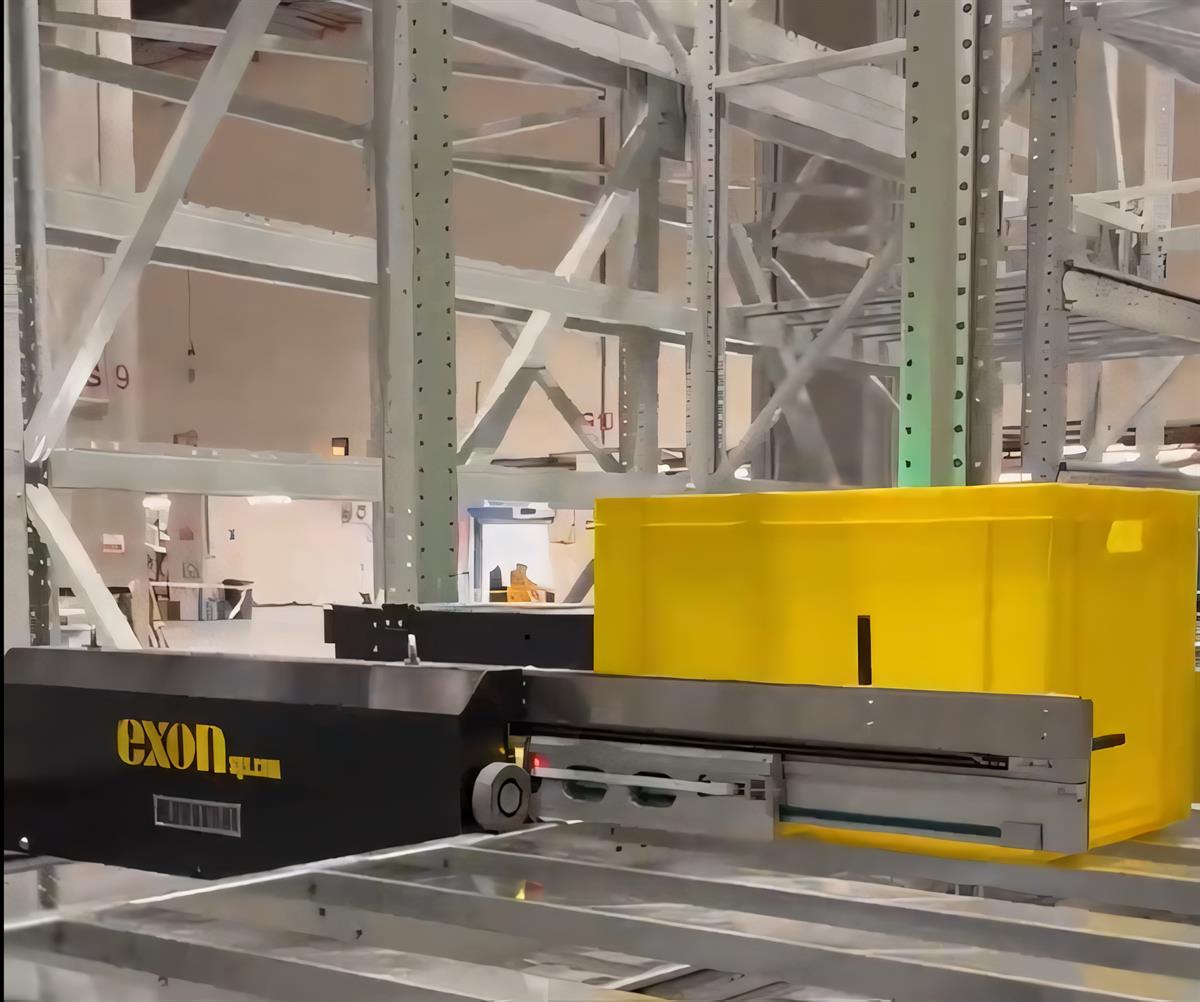
- Shuttle SystemsShared automated storage for totes and casesView →
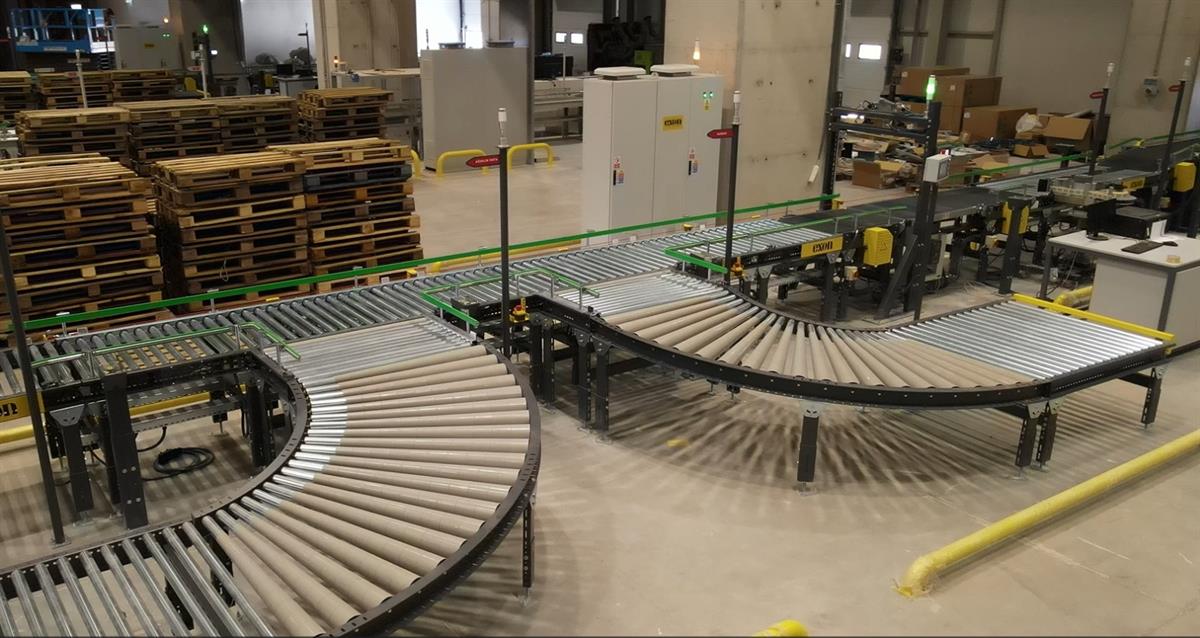
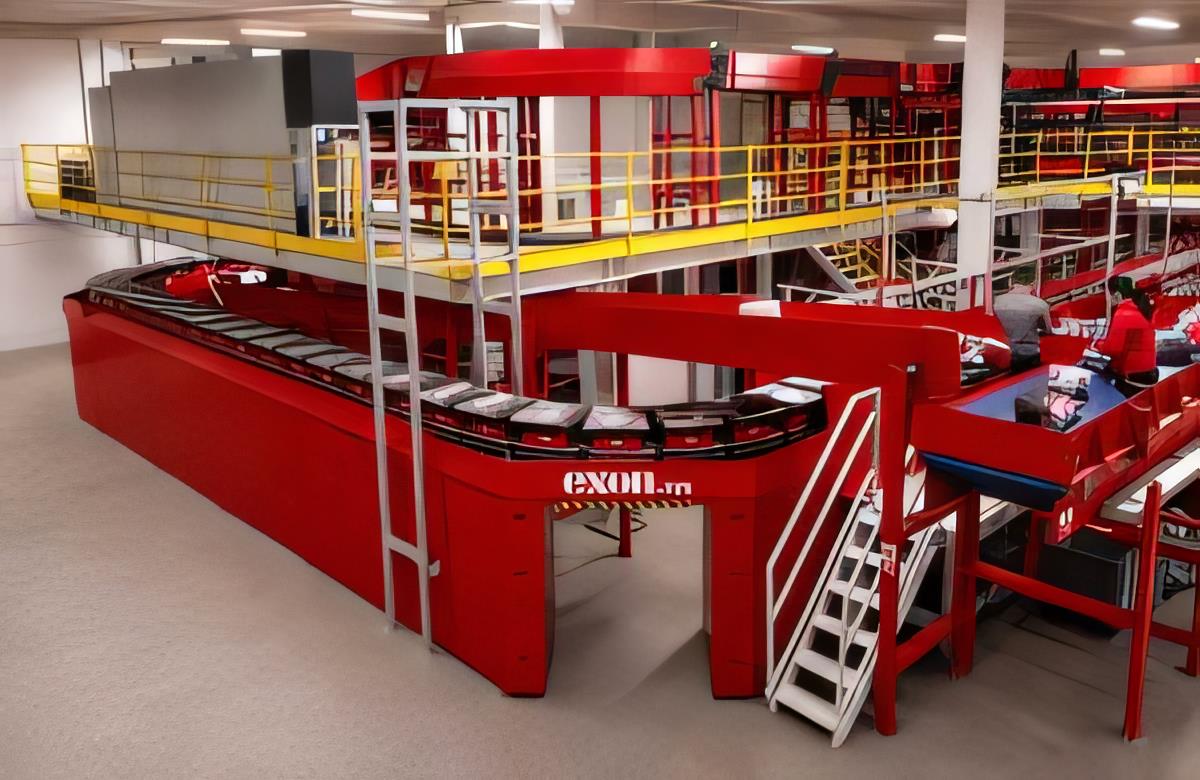
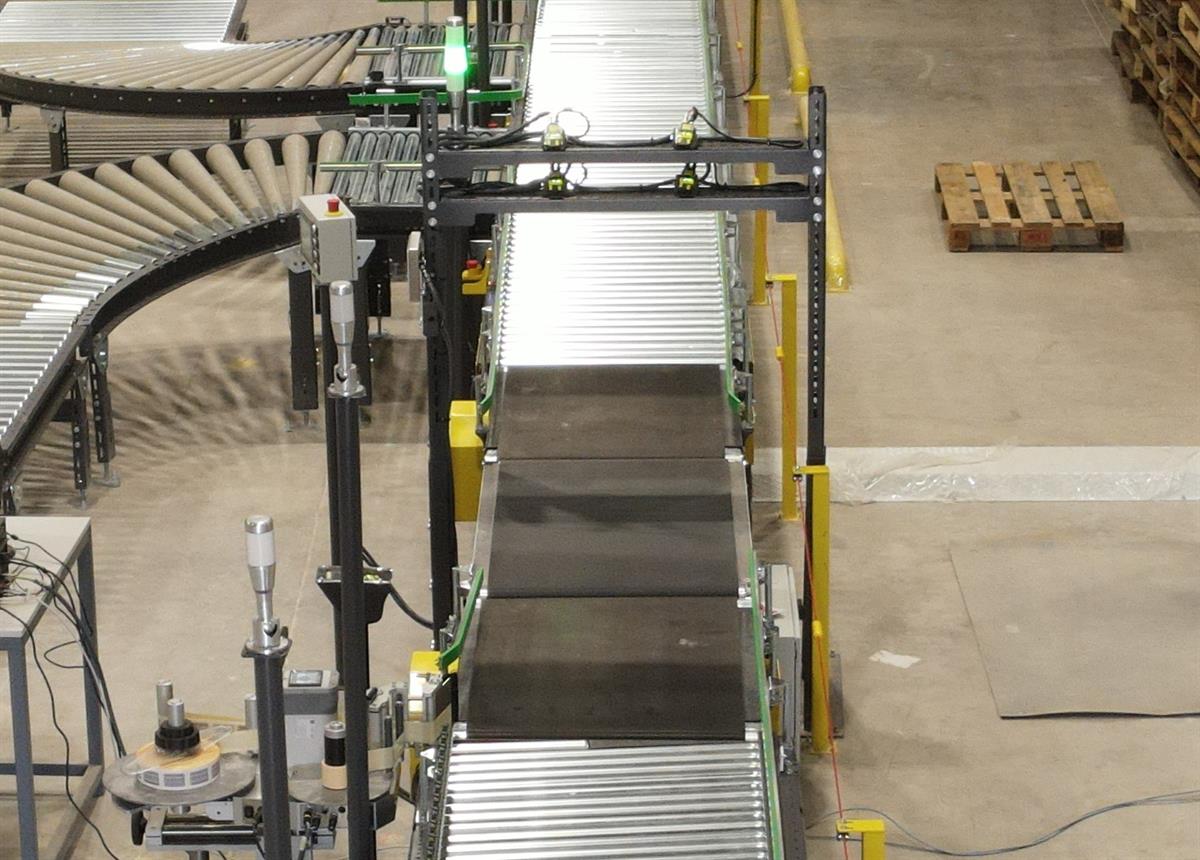
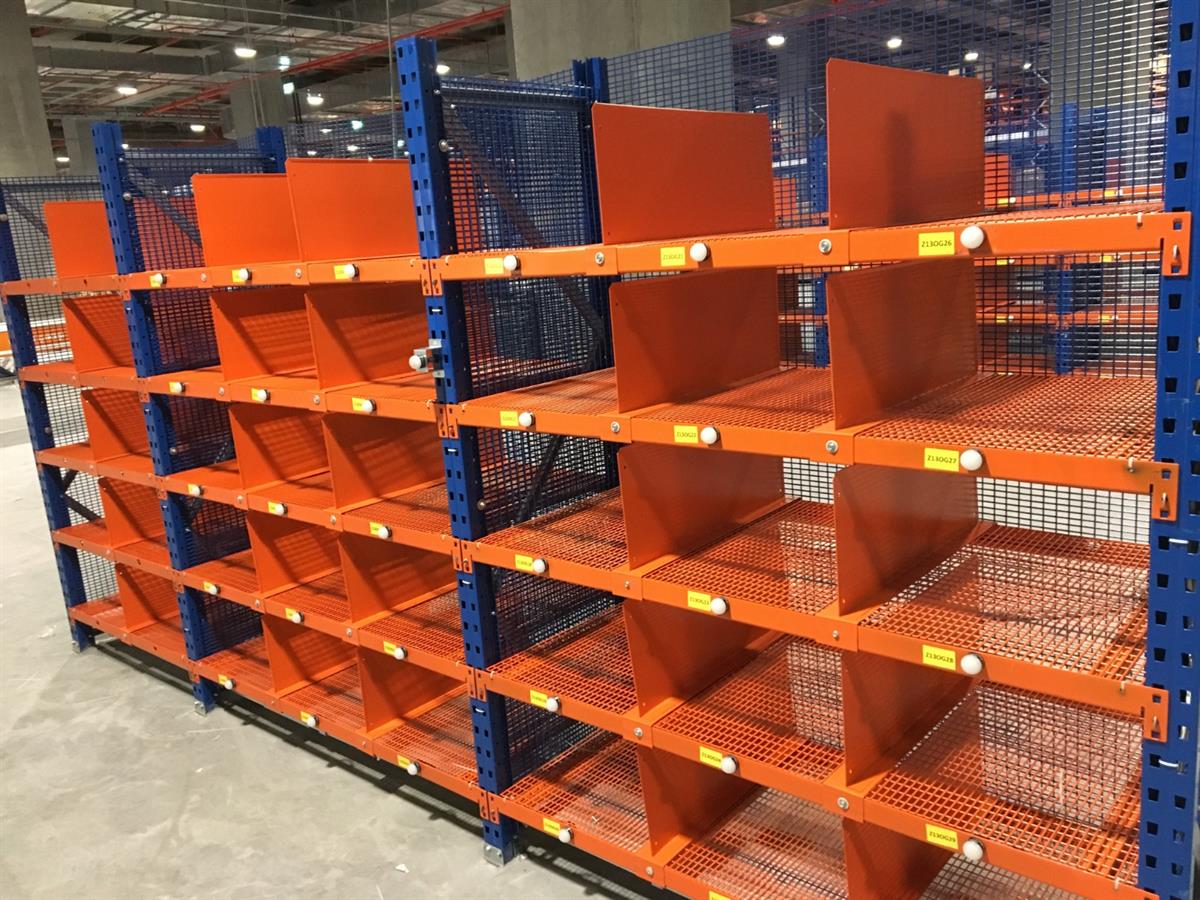
Exon's references among logistics service providers include Horoz Lojistik, Ekol Lojistik and Arvato. → References
7 criteria for choosing automation in a 3PL warehouse
- Shareability: Can the system serve several clients at the same time?
- Reconfigurability: When a client changes, can the line be reconfigured without dismantling it? Can modules be moved?
- Item range: Does the size and weight range cover today's clients' items? Does it cover likely new clients too?
- Software flexibility: Can picking, label, carrier and returns rules be set per client in the software?
- Data and billing: Can transactions, dimensional weight and service time be measured and reported per client?
- Peak seasons: Is there enough capacity when several clients' peak seasons overlap?
- Investment ownership: Does the equipment belong to the 3PL or the client? Does the contract term fit the payback period?
Common mistakes
- Designing tightly around one client. When that client leaves, the line may not fit the next one.
- Not comparing payback with the contract term. Payback can take longer than the contract. Equipment ownership or extension terms must then be agreed upfront.
- Skipping per-client data. If line use per client is not measured, service pricing becomes guesswork.
- Looking at peak seasons one by one. Clients' sales events and year-end peaks often fall in the same weeks. Size capacity for the combined volume when peaks overlap.
Frequently asked questions
What is the difference between 3PL and 4PL?
A 3PL physically runs storage, order picking and shipping. It does this with its own facility and team. A 4PL selects and manages those 3PLs and carriers on the client's behalf. It plans the supply chain as a whole.
What does 5PL mean?
5PL is a model that manages several supply chains and logistics networks together. This is often done through e-commerce and digital platforms. Its definition is less settled in the industry than 3PL and 4PL.
Do 3PL companies invest in automation?
Yes, increasingly. Short contracts raise the risk. Still, an automated facility helps win new clients. It also helps handle peak season with a stable team. This is why 3PLs favor modular, shareable systems.
When does a brand move from a 3PL to its own warehouse?
At a certain volume, a brand wants direct control over logistics cost and service quality. The decision weighs warehouse cost, automation investment and the need for flexibility together.
Related terms
Last updated: