
What is goods-to-person?
An order picking method where the picker does not walk the aisles: items come from automated storage to a fixed picking station. This page covers the flow, the investment decision and station design.
-
1Order release
The WMS releases the order and the system selects the source totes needed.
Shuttle Systems AS/RS Systems -
2Tote retrieval
A shuttle or stacker crane retrieves the tote; a lift moves it between levels.
Shuttle Systems -
3Transport to station
The conveyor brings totes to the picking station in sequence.
Conveyor Systems -
4Light-directed picking
Screen and lights show what to pick, how many and which order tote to place it in.
Pick-to-Light -
5Source tote returns
The source tote goes back to storage with the remaining stock.
Shuttle Systems AS/RS Systems -
6Order out
The completed order tote goes to packing and shipping.
Conveyor Systems
Process flow. Yellow tags show the Exon system used in that step.
Definition
Goods-to-person (GTP) is an order picking method. The operator does not walk between racks; the goods come to the operator. The tote holding the item is brought from automated storage to a fixed picking station. The operator takes the quantity shown by screen and lights and places it in the order tote. The source tote returns to storage. Walking and searching, the most time-consuming parts of manual picking, are largely removed.
Other names: goods-to-person picking, GTP, G2P, goods-to-operator. The opposite is "person-to-goods": classic picking where the person walks to the item.
Goods-to-person is not a single machine. It is built on a storage system. This is usually a tote shuttle or an automated storage and retrieval system (AS/RS). The conveyor line that sequences totes, the picking station and the control software are also part of it. In some facilities, mobile robots bring racks or totes to the station.
Flow: 6 steps
- Order release: The warehouse management system (WMS) releases orders. The control software calculates which source totes are needed. It also sets the order in which totes reach the station.
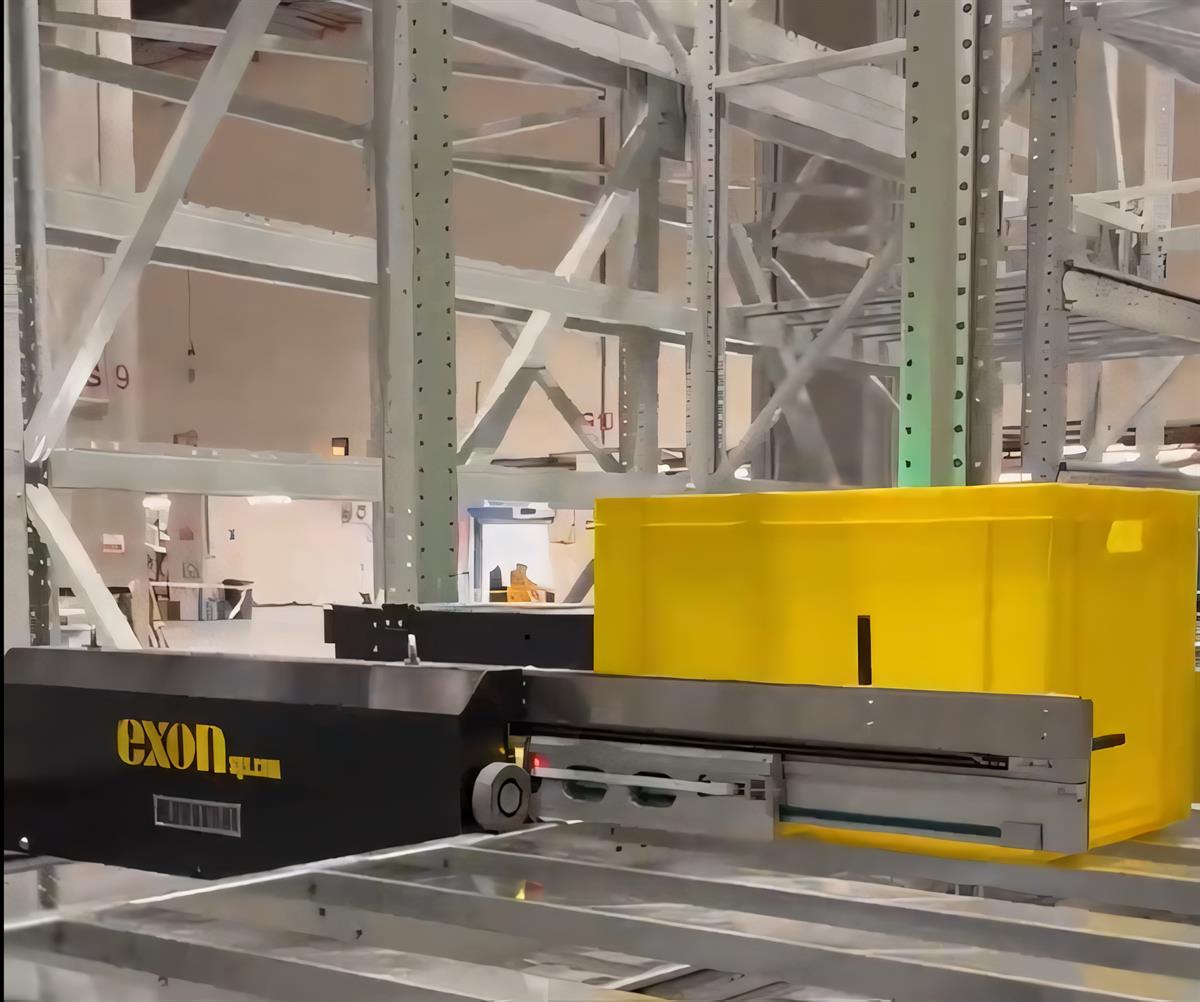
- Tote retrieval: A shuttle vehicle or stacker crane takes the tote from the rack. A lift moves it between levels. (Shuttle Systems, AS/RS Systems)
- Transport to station: The conveyor brings totes to the station in the order the operator will process them. (Conveyor Systems)
- Light-directed picking: The screen shows which item to pick and how many. A put-to-light indicator marks the order tote to place it in. The operator confirms with a button. (Pick-to-Light)
- Source tote returns: The source tote goes back to storage with the remaining stock. Fast movers can be stored at locations close to the station.
- Order out: The completed order tote goes to packing, then to shipping.
When do you need it?
- When there are many SKUs and few units per order: In e-commerce, a few units are picked from each of thousands of items. In manual picking, the operator walks to a separate rack for each line. Goods-to-person largely removes this walking.
- When warehouse space runs out: Tote shuttles and AS/RS narrow the aisles and use building height. The same stock fits in a smaller footprint. Wide aisles for people are not needed.
- When hiring and keeping staff is hard: Station work is learned quickly. Screen and lights guide the operator. Temporary staff become productive faster at peak.
- When picking errors turn into complaints: Only one source tote is open at each station, and every pick is confirmed. Picking from the wrong location drops structurally.
Warehouses with a narrow item range often do not need goods-to-person. They ship by pallet or full case. For full-pallet flow, AS/RS with stacker cranes and conveyors fits better.
Which systems are used?
- Shuttle SystemsTwo-way and four-way (2D/4D) shuttles for totes and cases; a common storage layer for goods-to-personView →
- AS/RS SystemsHigh-bay automated storage with stacker cranesView →
- Pick-to-LightLight-directed picking and put-to-light at the stationView →
- Conveyor SystemsTote flow between storage and stationView →
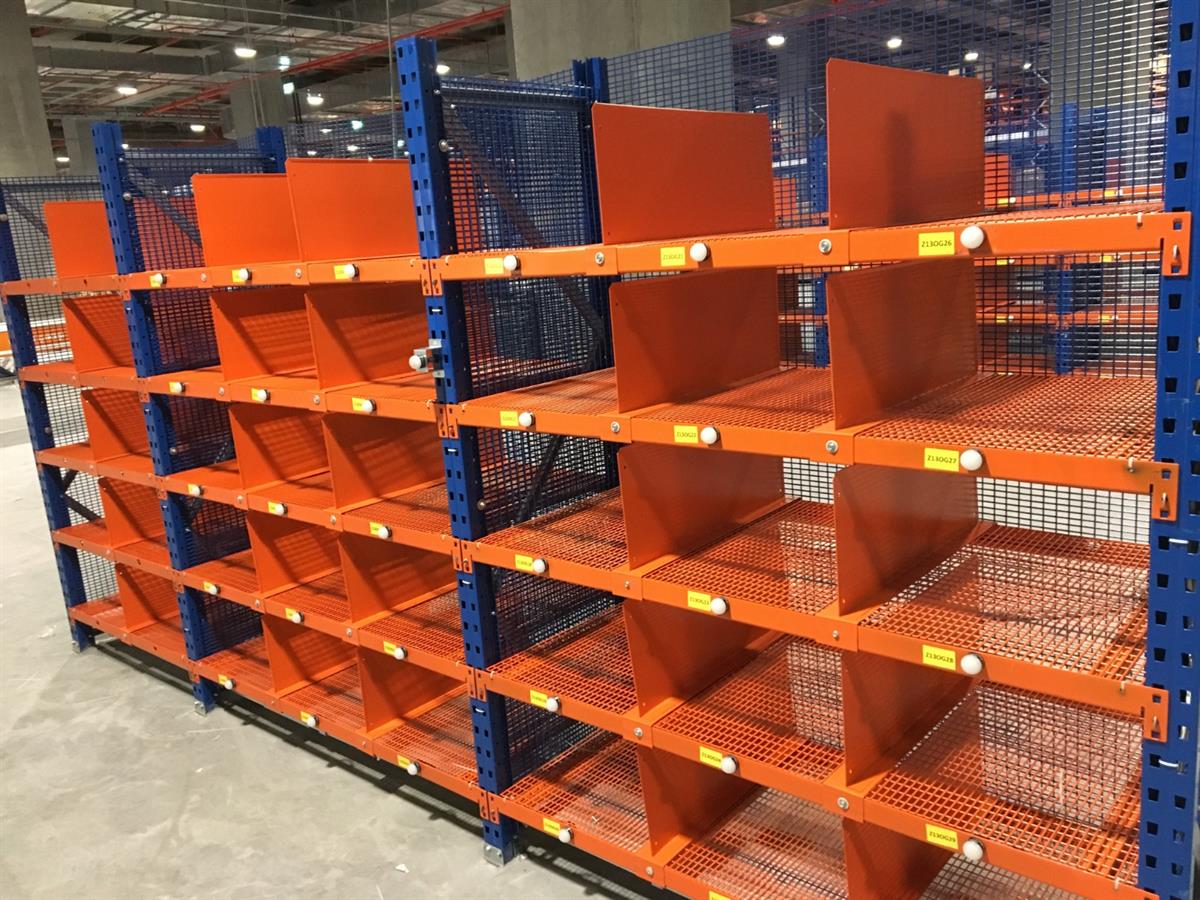
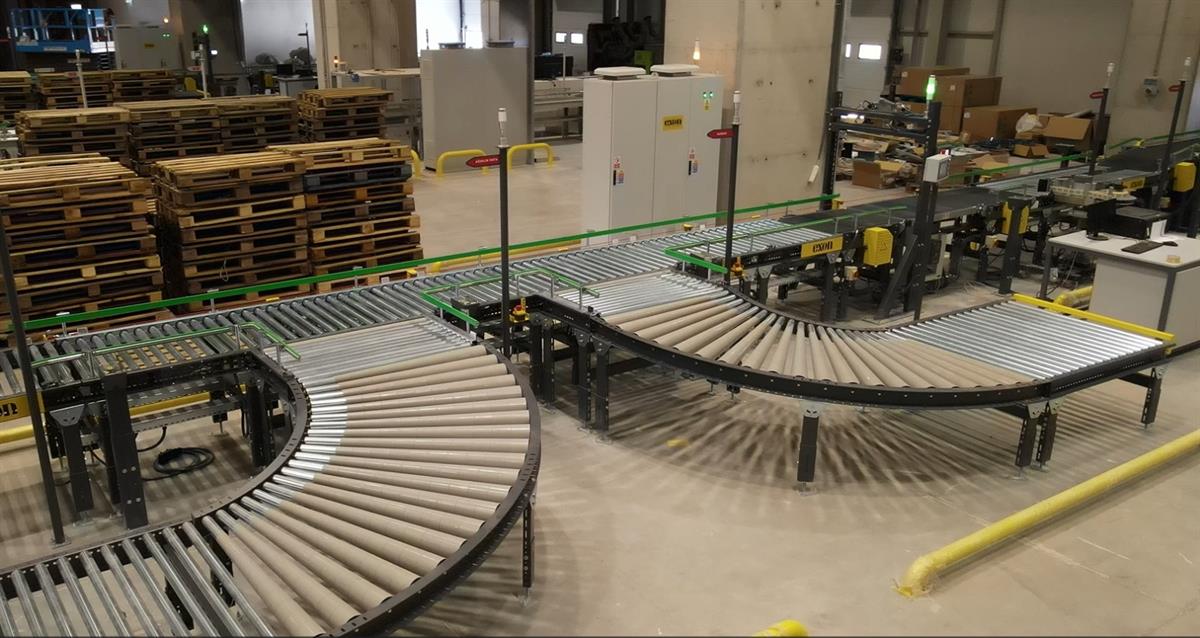
Exon's references in this area include LC Waikiki. → References
6 criteria for picking station design
- Hourly picking target per station: How many totes per hour can the storage system bring to the station? How many picks per hour can the operator make? Calculate both together; the number of stations follows.
- Tote and item dimensions: The source tote size defines the whole system. Plan a separate picking area for items that do not fit or are too heavy.
- Compartmented totes: One tote can hold several items. The compartment layout and item allocation must then be defined in software.
- Tote sequencing: If totes do not arrive in order sequence, the operator waits. This needs a buffer where totes queue in sequence.
- Ergonomics: Totes and order positions should sit between the operator's waist and shoulder height. Over a long shift, bending and reaching slow picking down.
- Replenishment: Will goods-in to storage use the same stations or a separate one? Picking by day and replenishing by night is one option.
Common mistakes
- Choosing storage separately from the station. A fast shuttle can be held back by a slow conveyor. A single lift creates the same bottleneck. Storage, lift, conveyor and station must be calculated as one capacity chain.
- Sizing for the average order. On promotion days, order volume far exceeds the average. Set station count and tote movements by peak hour.
- Leaving slotting fixed. Fast movers change over time. The software should move them to locations close to the station. Otherwise the system makes needlessly long tote moves.
- Leaving item data to the end. Item dimensions, weight and units per tote must be known. Without them, tote fill cannot be calculated. Collect master data before design starts.
Frequently asked questions
What is the difference between goods-to-person and pick-to-light?
Pick-to-light is a guidance method that shows the operator, with lights, where to pick and how many. The operator may still walk between racks. In goods-to-person, the items come to the operator. The two can be combined. At the station, light indicators guide picking and placing.
Which storage system suits goods-to-person?
For tote and case picking, a tote shuttle is a frequent choice. For slower-moving, heavier loads, AS/RS with stacker cranes is used. The choice depends on the SKU range, hourly tote movements and building height.
Can goods-to-person be added to an existing warehouse?
Yes, if the column grid, clear height and floor load capacity are sufficient. Automated storage is usually installed in one part of the building. Manual picking continues in the other part during the transition.
Are robots used in goods-to-person?
In some facilities, autonomous mobile robots (AMRs) bring racks or totes to the station. Where high-density storage is needed, shuttles and AS/RS lead. That is because these systems use the building's height.
Related terms
Last updated: