
What is a turnkey project?
An automation project run by one responsible party and handed over in working order. This page covers the steps and scope of a turnkey intralogistics project. It also lists what the contract must define.
- 1Needs analysis Request a Quote
- 23D layout and quote 3D layout before the quote
- 3Engineering and design About Us
- 4Production Sortation Systems Conveyor Systems Telescopic Conveyors
- 5Software and factory acceptance test (FAT) About Us
- 6Installation and commissioning Robotic Automation AS/RS Systems
- 7Acceptance, training and service References
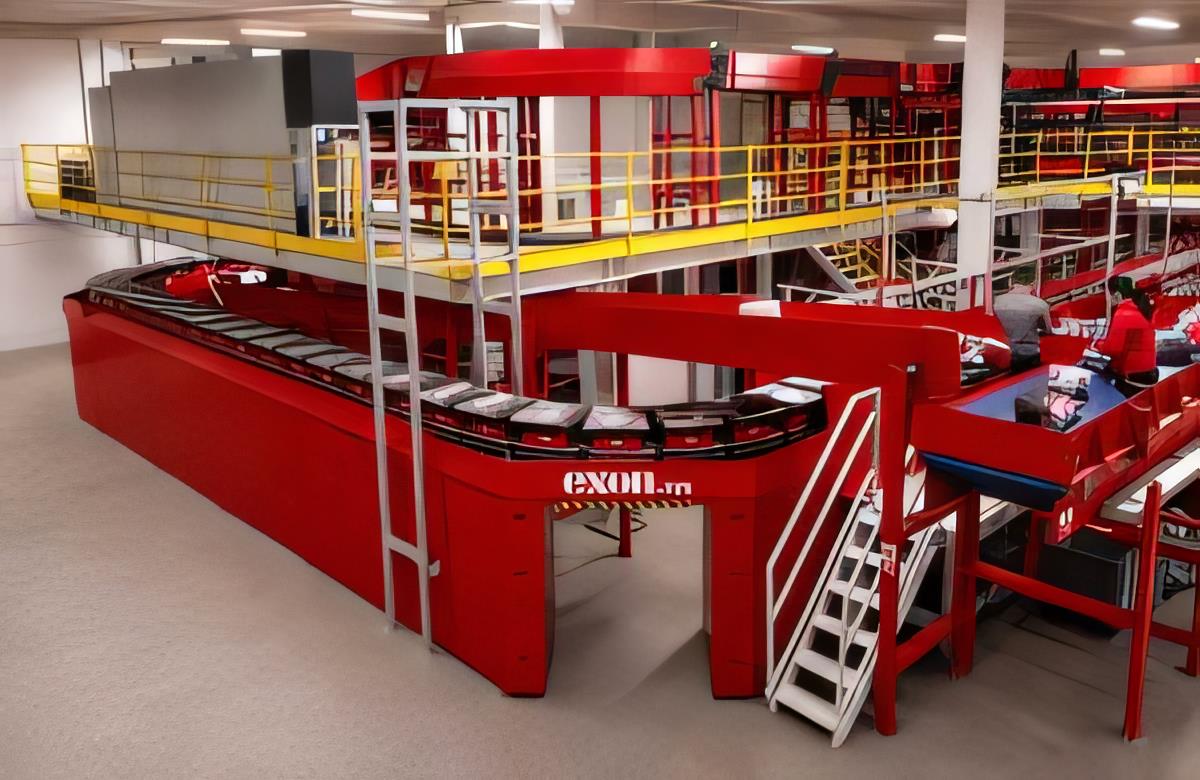
Process flow. Yellow tags show the Exon system used in that step.
Definition
A turnkey project is an automation project run by one responsible party. That party covers needs analysis, design, production, installation, software, commissioning and training. The project is handed over in working order. In intralogistics, the customer does not buy sorters, conveyors and software separately and join them up. It takes over a line that runs at the agreed throughput and accuracy.
Other names: turnkey solution, turnkey system, turnkey automation, single-source project.
In construction, "turnkey" means a finished building. In intralogistics, what is handed over is a working flow. The line must have passed its acceptance tests. Operators must be trained and a maintenance routine must be in place.
Flow of a turnkey project: 7 steps
- Needs analysis: Volume profile, item mix, building plan and target throughput are discussed. Data is collected. (Request a Quote)
- 3D layout and quote: The layout is prepared in 3D and the price is based on it. If needed, the facility is simulated in Demo3D. The flow is tested digitally before the project starts. (3D layout before the quote)
- Engineering and design: Mechanical, electrical and controls design is done. Software interfaces are defined. (About Us)
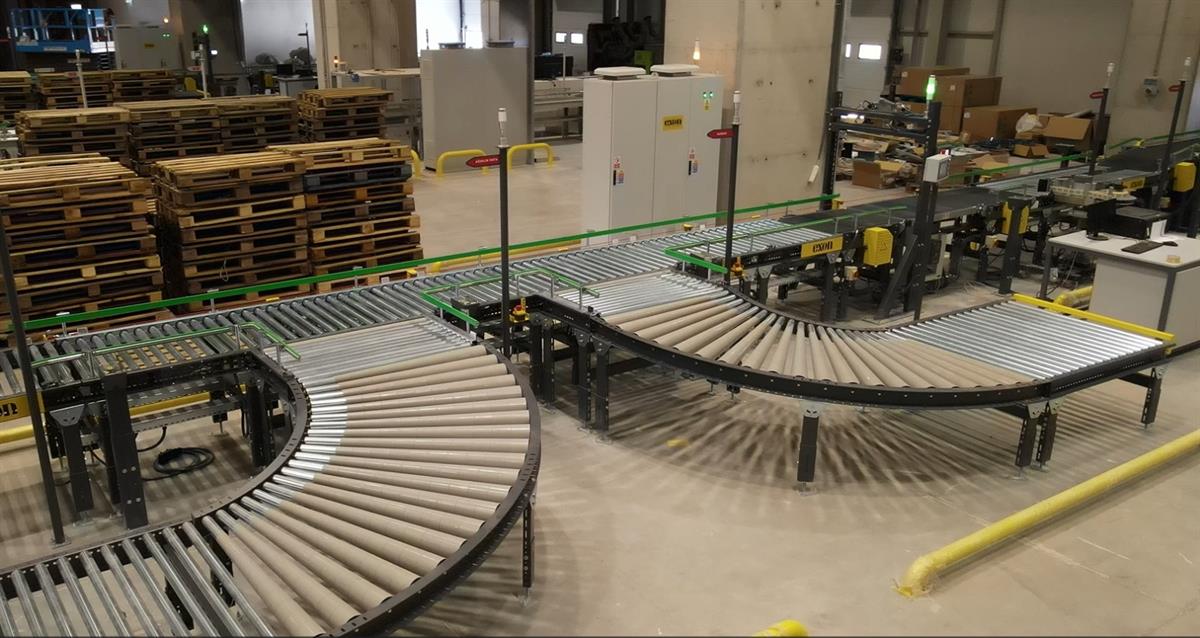
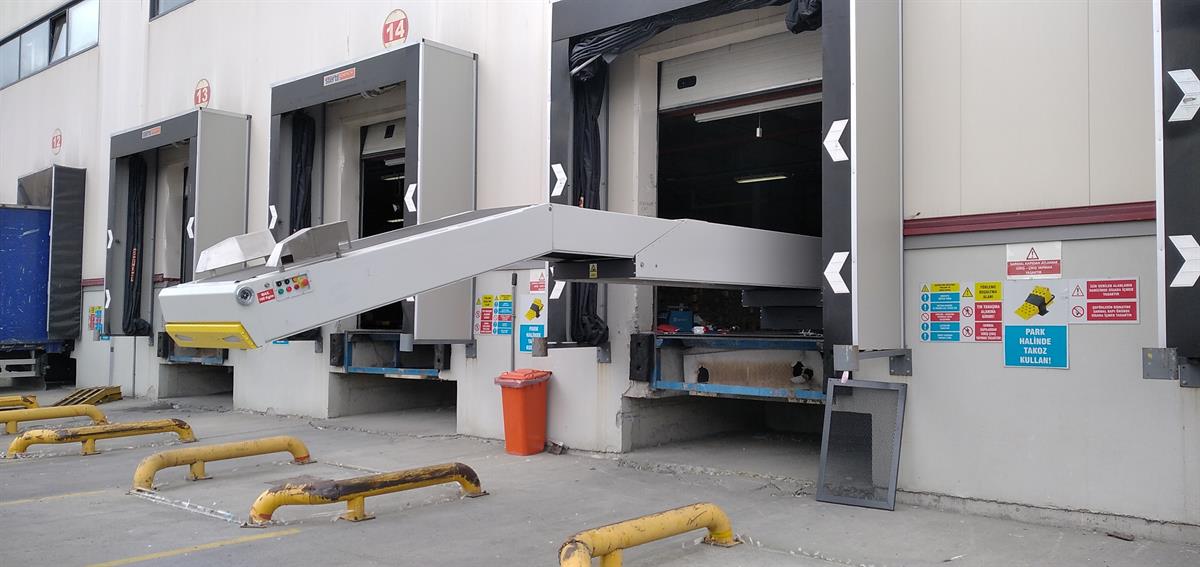
- Production: Sorters, conveyors and telescopic conveyors are built at Exon's facility. Parts are pre-assembled before shipping to site. (Sortation Systems, Conveyor Systems, Telescopic Conveyors)
- Software and factory acceptance test (FAT): Control software is written and tested in simulation. Equipment is tested in the factory before shipping. The FAT takes place at Exon's facility with the customer. (About Us)
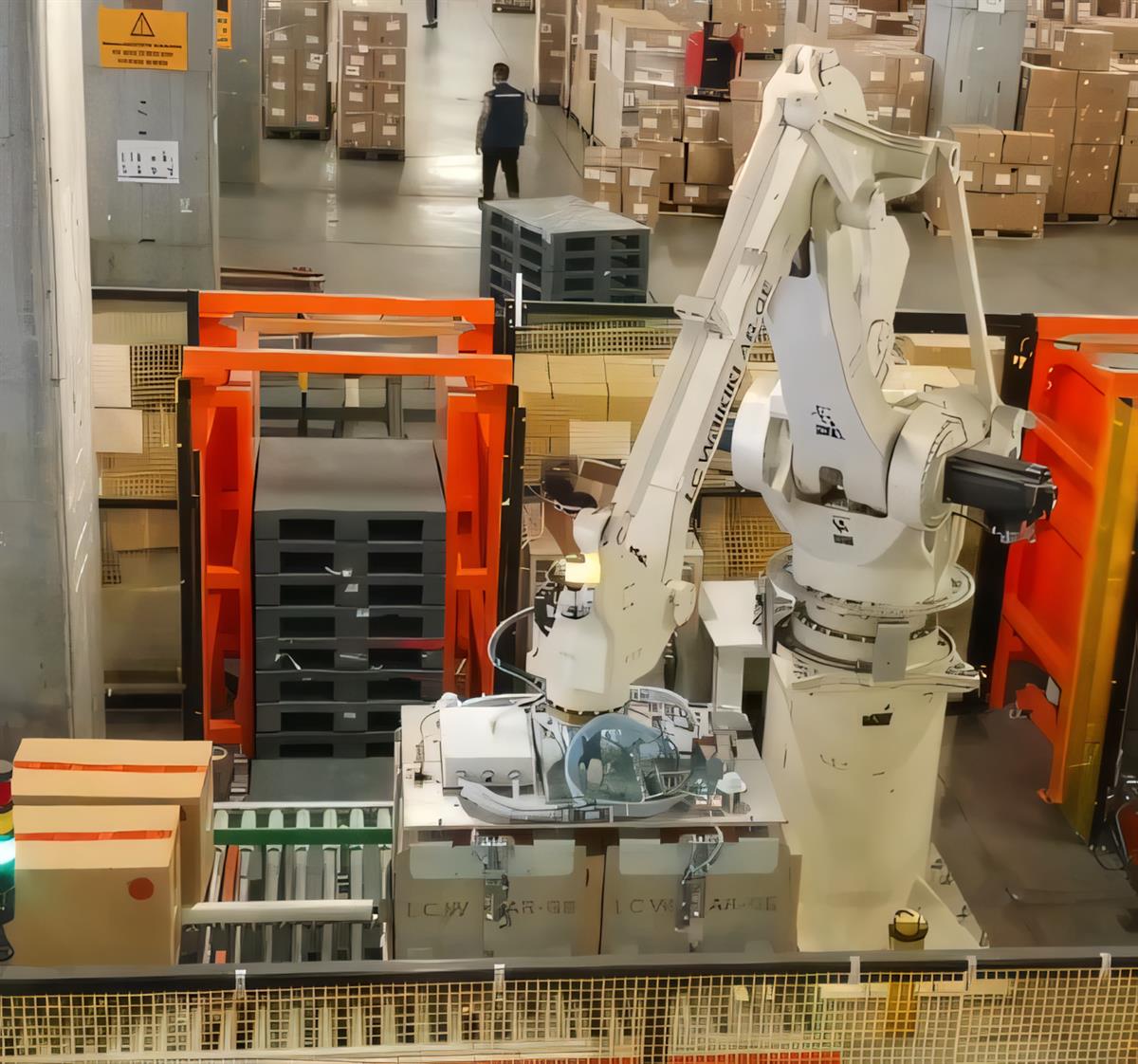
- Installation and commissioning: The line is installed on site. If the project requires it, robots, AGV/AMR and AS/RS are installed and commissioned in the same project. (Robotic Automation, AS/RS Systems)
- Acceptance, training and service: Site tests are run. Operators and maintenance staff are trained, and handover and acceptance are completed. 24/7 support continues afterwards. (References)
Turnkey or multi-vendor purchase?
| Turnkey | Multi-vendor | |
|---|---|---|
| Responsibility | One party, accountable for throughput and results | Each supplier is responsible for its own equipment |
| Interfaces | Links between lines and software are in the project | The customer manages the interfaces |
| Project management | With the supplier | With the customer; needs an engineering team |
| Price comparison | On the total solution | Line by line; interface work may be left out |
| Best fit | New site, end-to-end automation, tight commissioning schedule | Adding one machine to an existing line, strong in-house engineering |
When is turnkey the better choice?
- When several systems must work together: Unloading, conveying, measuring and sorting may share one line. Bottlenecks then form at the handover points. Those points need one owner.
- When the commissioning schedule is tight: The project may have to finish before peak season. Coordination between suppliers is then a delay risk.
- When in-house engineering is limited: It suits teams without staff to run interfaces, testing and acceptance.
Related Exon pages
- About Us: project process and production
- Sortation Systems, Conveyor Systems and Telescopic Conveyors
- Robotic Automation and AS/RS Systems
- References
Exon handles mechanical design, production, software and installation in-house. When the project requires it, robots, AGV/AMR and AS/RS are installed and commissioned in the same project.
7 points to define in a turnkey contract
- Scope boundary: Who is responsible for the building, floor, power supply and existing equipment?
- Performance definition: Which parcel set is used to measure throughput and sort accuracy? Under what conditions?
- Software interface: What format is used for data exchange with the WMS, ERP or carrier software, and who owns it?
- Tests: What do the factory acceptance test (FAT) and site acceptance test (SAT) include? What are the acceptance criteria?
- Schedule: What is the installation and cutover plan? Which section opens first without stopping operations?
- Training: What are the scope and timing of operator and maintenance training?
- After handover: What are the spare-parts package, maintenance routine and support channel?
Common mistakes
- Leaving the scope boundary vague. Power, floor or software interfaces may be left as "it will get done". This creates a responsibility gap at commissioning.
- Defining performance by a number only. If the measuring conditions are not defined, acceptance turns into a dispute.
- Squeezing training into the last week. A system handed over before the team is used to it reaches its throughput late.
- Comparing equipment prices only. Multi-vendor quotes may exclude engineering, interfaces and commissioning.
Frequently asked questions
What does a turnkey project mean?
One responsible party runs the project from design to commissioning. The project is handed over in working order. The customer does not manage each phase separately. It takes over the result.
What is included in a turnkey project?
It depends on the project. In intralogistics it usually includes needs analysis, 3D layout, engineering and production. Software, testing, installation, commissioning and training are also in scope. Whether building and infrastructure work is included must be stated in the contract.
How long does a turnkey intralogistics project take?
It depends on scope. At Exon, telescopic conveyor delivery typically takes 4–8 weeks and a sorter project 2–4 months. Projects with several systems get their own schedule. Layout and the phased cutover plan drive it.
Can a turnkey extension be added to an existing line?
Yes. First the existing line's connection points and software are reviewed. The new section is designed to these interfaces. It is then commissioned in phases without stopping operations.
Related terms
Related Exon systems
Last updated: